
Bank of Japan Governor Signals Potential September Rate Hike Amid Inflation Risks and Weak Yen
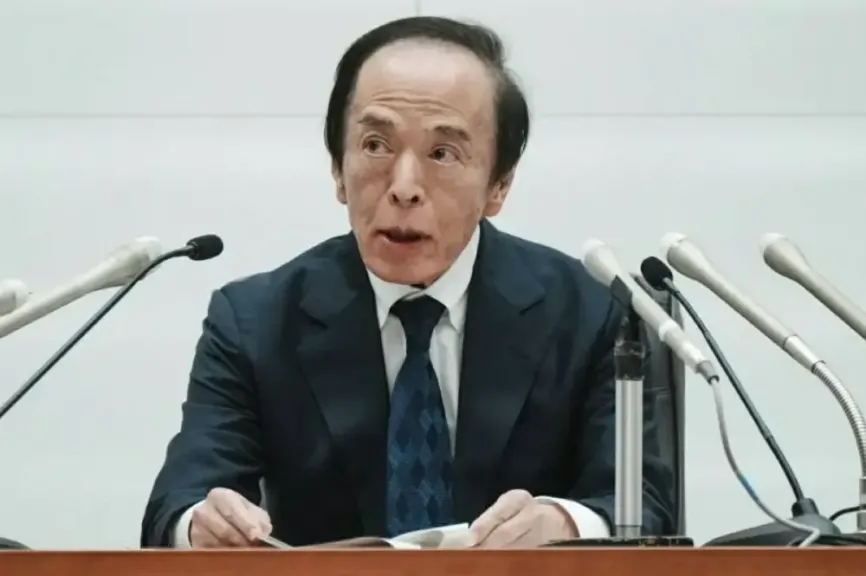
Bank of Japan (BOJ) Governor Kazuo Ueda indicated on Tuesday that the central bank will actively discuss raising interest rates at its upcoming September meeting, citing mounting inflation risks and the economic impact of a weakening yen.
Speaking at a press conference following the G20 finance leaders' meeting in North Carolina, Ueda stated that the BOJ will scrutinize whether economic conditions and price developments align with its baseline scenarios. His remarks followed a meeting with US Treasury Secretary Scott Bessent, who publicly urged Tokyo to take "resolute" monetary steps to counter the yen's depreciation—strengthening the case for a near-term hike.
While avoiding a definitive commitment for the September 17-18 policy meeting, Ueda noted that the BOJ must carefully assess the cumulative economic impact of its five previous rate increases while remaining highly vigilant to upside inflation risks.
Hawkish Board Sentiment and Market Reaction
Ueda’s cautious but hawkish tone is echoed within the BOJ. In a separate address in northern Japan, board member Hajime Takata advocated for flexible, responsive rate hikes rather than a fixed semi-annual pace to prevent inflation from overshooting targets.
These communications have triggered significant movements in Japanese debt markets:
2-Year Government Bonds: Yields on the policy-sensitive two-year note spiked to 1.830% on Wednesday, the highest level since 1995.
10-Year Government Bonds: The benchmark 10-year yield touched 3% for the first time since 1996, driven by domestic policy expectations and global upward pressure on yields.
Primary Inflationary Risks
With core inflation nearing the central bank's 2% target, Ueda highlighted three key factors the BOJ is monitoring that could drive prices higher:
Upward price pressures stemming from geopolitical conflicts in the Middle East.
Robust global demand related to artificial intelligence infrastructure.
The continued inflationary impact of a weak yen on import costs.
In June 2026, the BOJ raised its benchmark interest rate to a 31-year high of 1%. Following a pause in July, Bessent’s recent appeals and the BOJ's hawkish signaling have led financial markets to almost fully price in another rate increase this month.