
TelecomWadi Backs IEEE Graduation Projects as Students Take Engineering Ideas Closer to Market
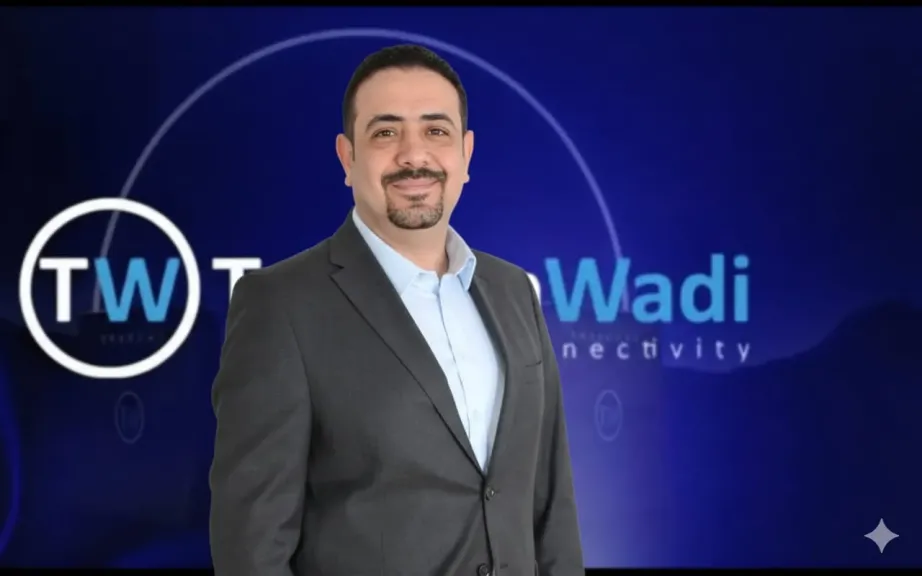
TelecomWadi has joined the final IEEE graduation projects competition as a main sponsor, placing the spotlight on one of the biggest challenges facing young engineers: turning technically sound prototypes into products that can survive outside the lab.
The Egyptian telecom company is supporting the closing stage of the competition, which brings together student projects built around emerging engineering and technology concepts, with a particular focus on solutions that can move from academic experimentation toward practical use.
Wael Halawa, CEO of TelecomWadi, is also taking part as a keynote speaker with a session titled “Engineering Innovation: From Sensors to Real-World Products.”
His talk focuses on the journey from an engineering idea — particularly sensor-based innovations — to a product that can actually be deployed, manufactured and positioned for real-world use.
That journey is often where promising student projects struggle. Building a working prototype is only one part of the equation; taking it further requires product design, quality control, understanding customer needs, commercial viability and the ability to connect engineering decisions with business priorities.
From prototype to product
Halawa brings more than 25 years of experience across technology, telecom and network solutions, including work in business strategy, product development and market expansion.
TelecomWadi said his session is designed to give students a closer look at the decisions and trade-offs that shape the transition from concept to market-ready technology.
The discussion covers how engineering teams can move beyond solving a technical problem and begin thinking about usability, scalability and the actual requirements of customers and businesses.
It also draws on practical lessons from the telecom and technology sectors, where products frequently need to combine complex engineering with strict performance, quality and commercial requirements.
“Engineering innovation does not end when a prototype works,” Halawa said. “The real challenge is turning that idea into a solution that can create value in the market and solve a genuine problem.”
Building stronger links between universities and industry
TelecomWadi’s participation reflects a broader push to bring industry closer to university engineering programmes and graduation projects.
For students, that connection can provide exposure to challenges that are difficult to replicate in an academic setting, from product development and quality standards to customer expectations and commercial constraints.
For companies, graduation projects can offer an early look at young engineering talent and ideas that may have potential beyond the classroom.
Halawa said TelecomWadi views support for young engineers as a long-term investment in the technology sector.
“We believe young people will shape the future of the technology industry, and that means giving them room to experiment, learn and innovate,” he said.
“Our support for this competition comes from the belief that investing in young minds can help turn promising ideas into practical solutions with a real impact on society and the economy.”
Through the IEEE competition, TelecomWadi is positioning its role around more than sponsorship, using the event to bridge the gap between technical education and the commercial reality of the technology industry.
That gap is particularly important for engineering graduates, where the next step after building a successful project is learning how to turn it into something people can actually use.