
Egypt Takes E-Signatures Beyond Corporate Tokens as Remote Signing Opens to Individuals
Egypt is taking electronic signatures beyond the corporate world, introducing a remote signing framework for individuals that could allow contracts to be completed entirely online while retaining their full legal effect.
Ahmed El-Zaher, CEO of the Information Technology Industry Development Agency (ITIDA), said the move marks a new phase for Egypt’s electronic signature ecosystem, which until now has seen much of its adoption concentrated among businesses using physical security tokens.
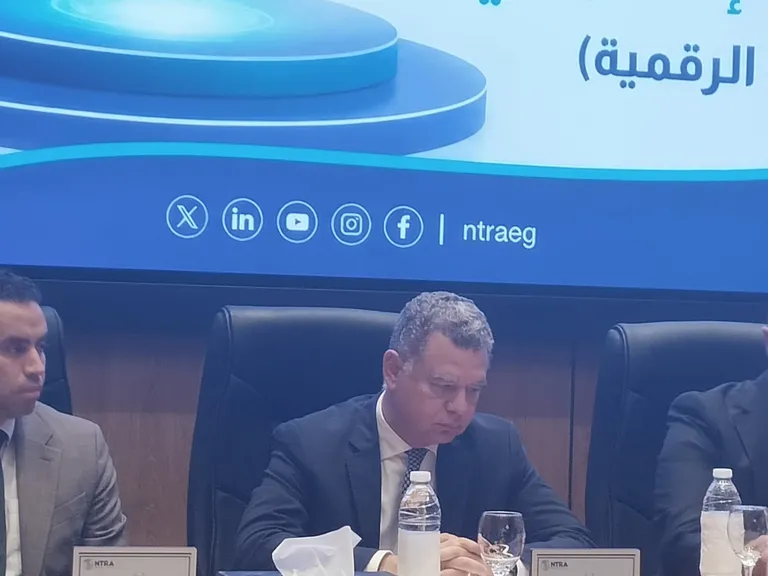
Speaking during the launch of Egypt’s electronic biometric verification system, El-Zaher said the next stage is designed around individuals — allowing a person to establish their identity remotely, obtain an electronic signature certificate and legally sign a contract without appearing physically before the service provider.
That could remove one of the remaining barriers preventing some digital transactions from becoming fully remote.
From proving who you are to legally signing
Moving services online involves more than digitizing forms or enabling payments. Transactions involving contracts need two critical elements: certainty over the identity of the person entering the agreement and a legally recognized way for that person to sign it.
The new framework is designed to connect the two.
According to El-Zaher, a customer’s identity and facial image can first be verified through the electronic identity infrastructure. Once the required procedure is completed, an electronic signature certificate can be issued immediately.
The customer can then use that certificate to sign the contract electronically, giving the agreement the required legal standing.
The process effectively turns what were previously separate stages — identity verification, certificate issuance and contract signing — into a remote digital journey.
E-signatures move from businesses to consumers
Electronic signatures themselves are not new to Egypt.
El-Zaher said token-based e-signatures are already widely used by companies. The significant change is extending that infrastructure to individuals without making possession of a conventional physical token or an in-person process the center of the experience.
That could substantially widen the potential use cases for electronic signatures.
Any service involving an agreement with an individual could potentially be redesigned around the model, provided the necessary regulatory and technical requirements are met.
The immediate rollout is closely connected to Egypt’s new biometric verification infrastructure for telecom services, but its potential application is much broader.
El-Zaher said ITIDA will continue working with the National Telecommunications Regulatory Authority (NTRA) to expand the framework and develop additional use cases.
Taken together, remote biometric verification and electronic signatures provide two pieces of the same digital puzzle. One establishes that the person behind the screen is who they claim to be; the other gives their electronic approval legal weight.
Connecting those capabilities could eventually allow more transactions in Egypt to move beyond being merely “available online” to becoming genuinely end-to-end digital — from identity verification to a legally binding signature.