
Egypt Moves SIM Purchases, Mobile Wallets and Line Transfers Into Biometric Digital Verification
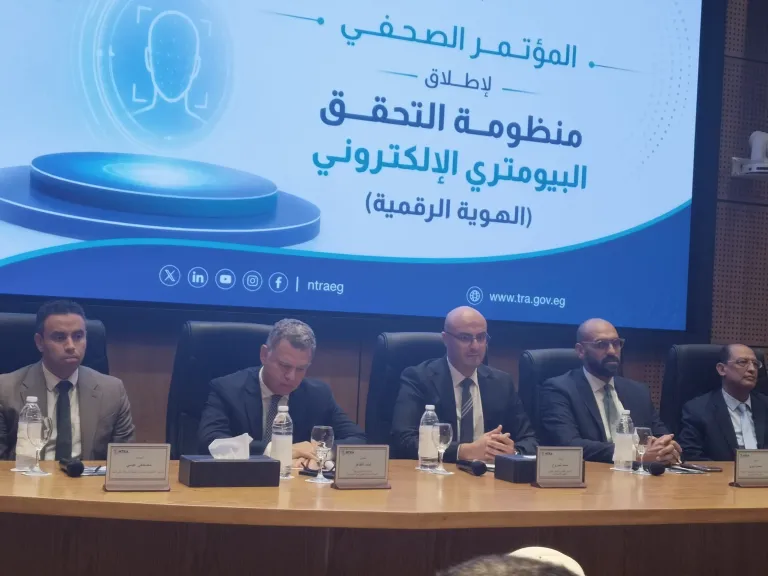
Egypt is preparing to move a wider range of telecom transactions online, allowing customers to buy mobile lines, open mobile wallets and complete ownership-transfer procedures electronically through a new biometric identity verification system.
Mohamed Shamroukh, CEO of the National Telecommunications Regulatory Authority (NTRA), said the new digital verification framework is designed to remove the need for branch visits in transactions where confirming the customer’s identity has traditionally been mandatory.
Speaking during the launch of the electronic biometric verification system, described as a digital identity framework for telecom services, Shamroukh said Egypt’s telecom sector now has the digital infrastructure required to support a broader shift toward remote service delivery.
That infrastructure has been built through cooperation between the Ministry of Communications and Information Technology and other state entities, including identity-verification systems connected to biometric data held by the Civil Status sector.
The next step is to make that infrastructure available to private-sector telecom operators.
Telecom branches are no longer the only identity checkpoint
Until recently, some of the most sensitive telecom transactions still depended on physical presence at an operator’s branch, largely because companies needed to verify that the person requesting the service was the legitimate customer.
The new biometric system changes that model.
By allowing identity to be authenticated electronically, customers can complete transactions that previously required in-person checks, including purchasing a new SIM, opening a mobile wallet or handling other services linked to ownership and identity.
Shamroukh said NTRA has already authorized Egypt’s four mobile operators to begin introducing services built on the electronic verification system.
The rollout will be gradual, with more transactions added over time rather than moving every service online at once.
Among the services expected to be covered are new mobile line activation, mobile wallet onboarding and procedures for transferring ownership of a line from one customer to another.
A digital identity layer for telecom services
The broader significance of the system lies in what happens behind the individual services.
Rather than digitizing each telecom transaction separately, NTRA is effectively creating an identity layer that operators can use whenever a service requires proof of who the customer is.
That could allow a growing number of previously branch-dependent transactions to move into operator apps and digital channels while maintaining regulatory controls around subscriber identity.
For Egypt’s four mobile operators, the framework also opens the door to redesigning customer journeys around remote onboarding, biometric checks and electronic documentation instead of paperwork and physical verification.
Shamroukh said the regulator plans to continue expanding the range of services available through the system, making biometric verification a core part of how telecom customers access increasingly sensitive digital services.
The result could be a wider change in the relationship between customers and mobile operators: the branch is no longer the default place where identity has to be proven, and the smartphone is gradually becoming the point where telecom services are purchased, verified and managed.