
Sam Altman Unveils Future Vision for ChatGPT: Shifting from Reactive Chatbot to Proactive, Context-Aware Personal Assistant
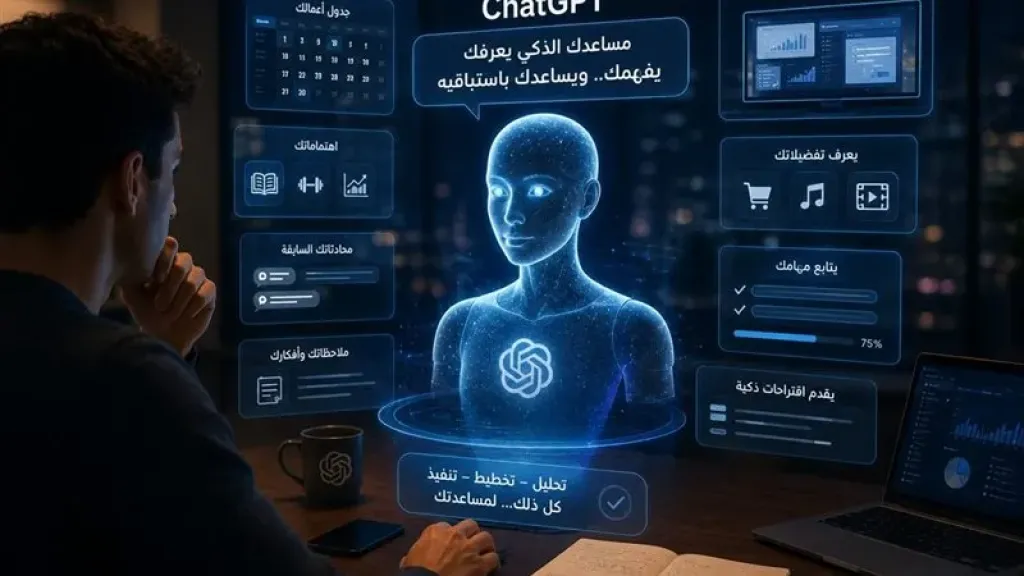
OpenAI CEO Sam Altman has revealed an ambitious future vision for ChatGPT, outlining its evolution from a conventional question-and-answer tool into a hyper-personalized, proactive AI assistant. The envisioned next-generation system will maintain an expansive context of a user's life, understand on-device workflows, and intervene proactively to assist without waiting for explicit prompts.
Altman explained that the next leap in artificial intelligence will yield systems equipped with comprehensive situational awareness. By integrating a user's preferences, interests, historical data, and past interactions, the AI will provide deeply tailored responses and actions rather than treating each interaction in isolation.
Deep Personal Context and Lifelong Memory
This vision builds upon Altman’s previous remarks regarding long-horizon AI models capable of retaining an extensive context of an individual’s life. Such a system could seamlessly incorporate past conversations, read literature, email archives, and browsing history, alongside external data sources that users voluntarily connect to the platform.
The following table contrasts the traditional ChatGPT interaction paradigm with the upcoming proactive model:
DimensionCurrent Interaction ModelFuture Proactive Assistant
Operational ModelReactive (User prompt $\rightarrow$ AI response)Proactive (Contextual awareness & autonomous intervention)
Context RetentionSession-bound / limited memoryComprehensive, multi-source lifelong context
Task ExecutionSingle-turn, direct prompt executionMulti-stage task tracking toward long-term goals
Data IntegrationManual user inputsCross-application, files, and opted-in personal data
From Reactive Prompting to Proactive Computing
Altman believes that the future of computing will no longer rely solely on devices waiting passively for commands. Instead, intelligent systems will proactively understand the user's immediate environment and end goals, offering assistance without requiring repetitive, step-by-step instructions.
This fundamental transition shifts ChatGPT from a simple conversational tool into an autonomous companion capable of:
Understanding the ultimate objective behind a user's workflow.
Tracking, orchestrating, and executing complex tasks across multiple stages.
Synthesizing real-time information with personal context to deliver actionable outcomes.
Agentic Workflows and Autonomous Capabilities
OpenAI has already initiated this strategic transition by expanding memory and agentic capabilities within ChatGPT. The platform increasingly leverages historical context to enhance customization, while emerging AI agent frameworks allow the system to operate autonomously across files and applications, sustaining independent execution over extended horizons.