Canada-Egypt Business Council and NISGP Convene to Advance Smart Green Transformation and E-Waste Recycling
hamdy Abdelrashid
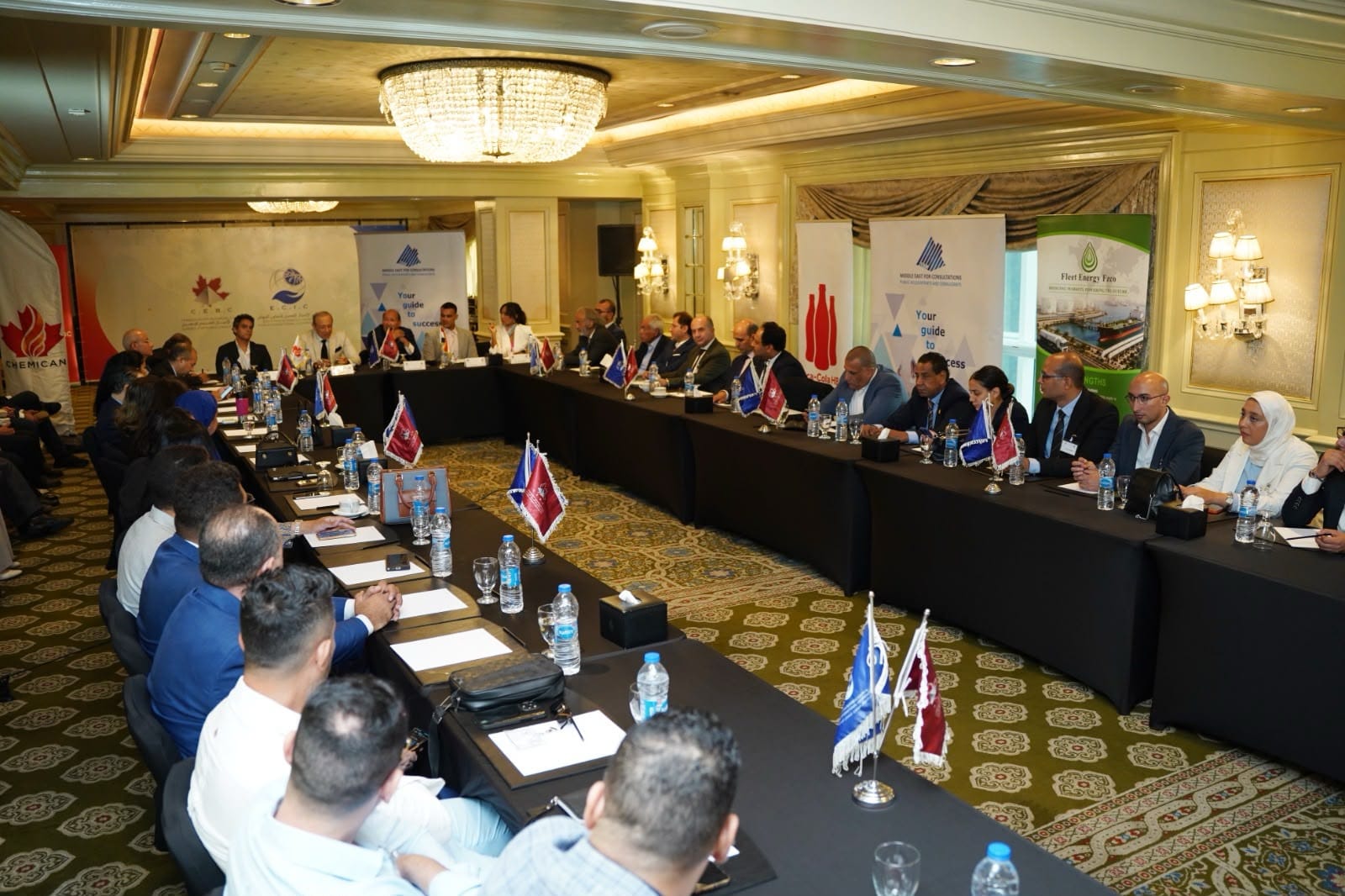
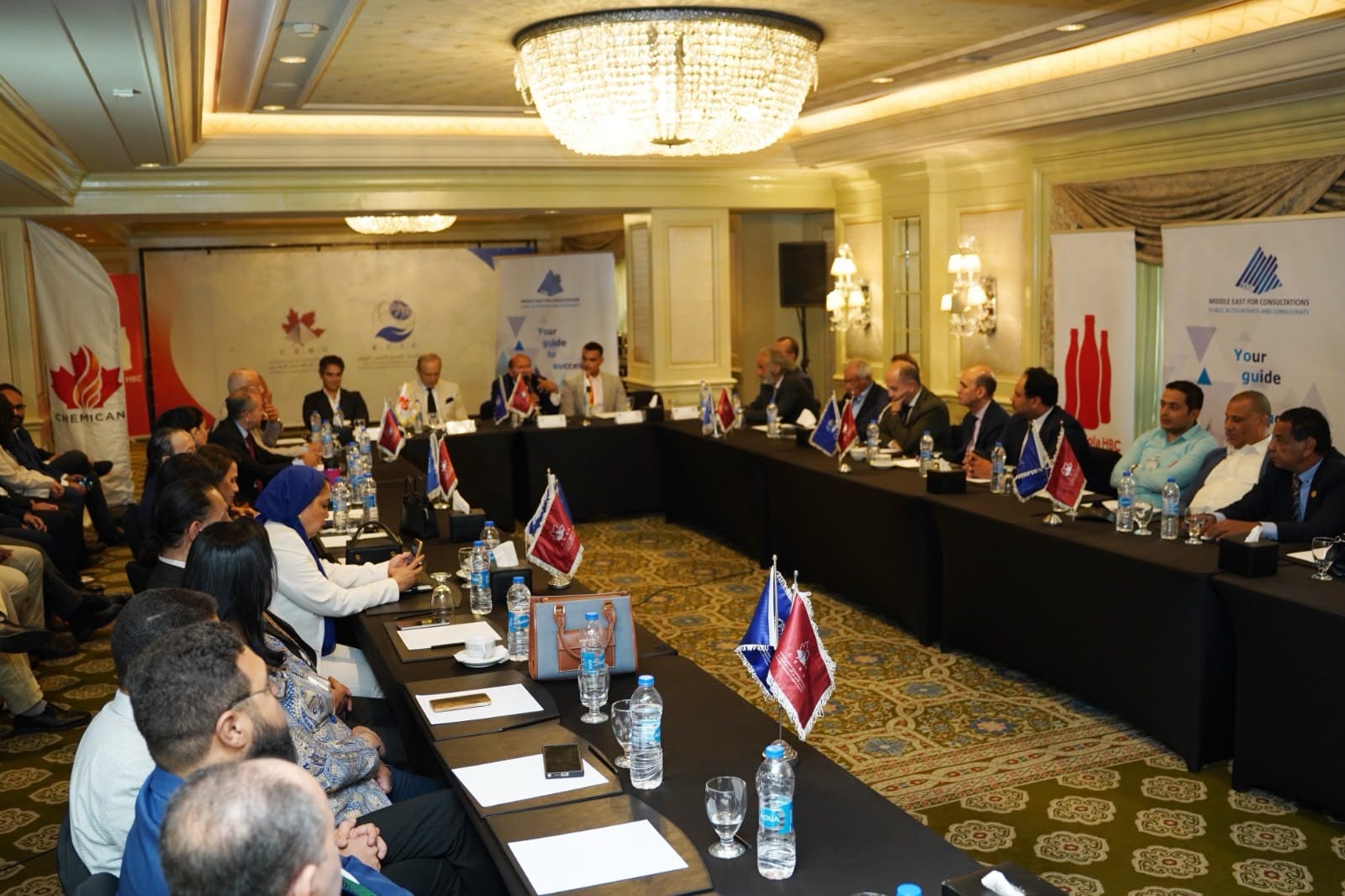
The Canada-Egypt Business Council (CEBC), through its Environment, Climate, and Sustainability Committee, hosted a high-level panel discussion in collaboration with the National Initiative for Smart Green Projects (NISGP)—an initiative under Egypt's Ministry of Planning, Economic Development, and International Cooperation—and in strategic partnership with ChemiCan.
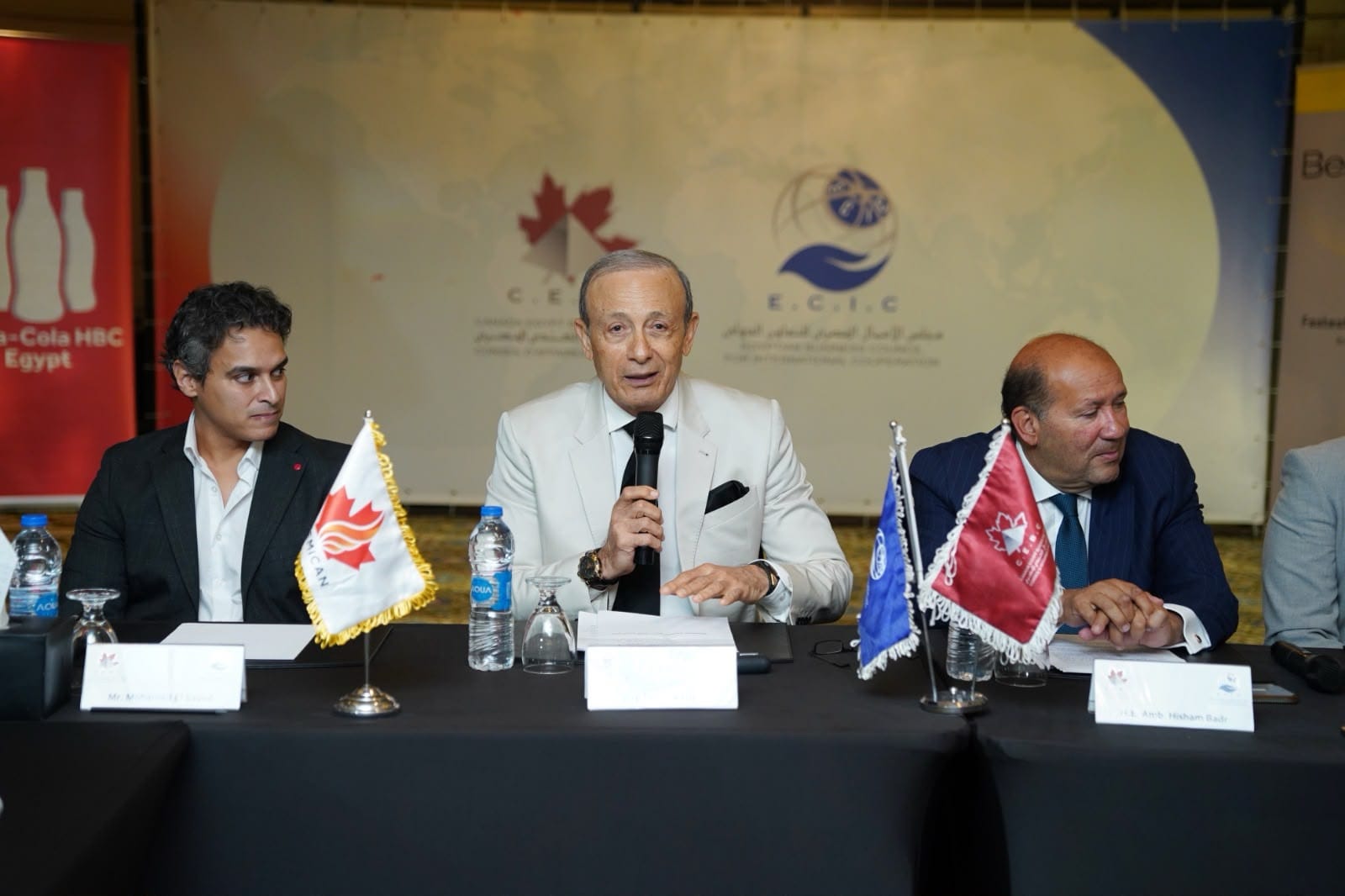
Opening the session titled "From Platforms to Projects: Structuring Egypt's Smart Green Transformation," moderated by Cairo News Channel anchor Bassant Akram, CEBC Chairman Motaz Raslan emphasized that green transformation should strengthen economic resilience rather than burden the private sector.
Three Pillars for Sustainable Transition
Raslan outlined a three-pronged framework to align regulatory compliance with market competitiveness:
Clarifying Compliance Pathways: Providing technology manufacturers and the private sector with clear roadmaps to adapt smoothly to incoming environmental regulations without disrupting operations.
Building Integrated Ecosystems: Strengthening collection networks, secure processing channels, and circular recycling value chains.
Safeguarding Business Competitiveness: Converting environmental stewardship into green growth opportunities and enhanced resource efficiency.
The event highlighted electronic waste (e-waste) management as a core pillar supporting Egypt Vision 2030 and the National Climate Change Strategy 2050, particularly as rapid digital adoption makes e-waste one of the world's fastest-growing waste streams.
NISGP: Driving Grassroots Climate Action
Ambassador Hesham Badr, General Coordinator of the NISGP, highlighted the initiative’s nationwide reach across Egypt’s 27 governorates:
"Over three consecutive cycles, the initiative has received nearly 17,770 project submissions across diverse categories—ranging from large and small enterprises to startups and women-led initiatives. Beyond cataloging local innovations, we connect innovators with international partners, financial institutions, and global platforms such as COP27, COP28, and COP29. Having trained over 11,500 participants and engaged approximately 18 million citizens, our goal is to localize the Sustainable Development Goals (SDGs) and turn challenges into viable economic opportunities."
Innovative Egyptian Green Technologies
The session showcased emerging domestic green technologies addressing emissions and resource optimization:
Initiative / CompanyTechnology / InnovationOperational Impact
Jadeed Energy Tech"Green Turbo" Smart Hydrogen Cell (patent pending) integrated with IoT software.Reduces fuel consumption by up to 40%, cuts carbon emissions by 75%, and lowers maintenance costs for modified fossil-fuel engines.
AgriCanAgritech platform founded by Salem Ghannam, utilizing AI, drones, and autonomous robotics for precision agriculture.Decreases pesticide usage by 50%, reduces labor costs, and protects agricultural workers from hazardous chemicals.
Addressing the E-Waste Challenge & Extended Producer Responsibility (EPR)
Findings from the Sustainable Recycling Industries (SRI) program revealed that 5 out of 7 major Information and Communication Technology (ICT) product categories carry negative economic values at their end-of-life—meaning recovery revenues do not cover safe recycling costs.
Addressing this gap, Mohanad El-Sayed stated that Egypt generates approximately 0.5 million tonnes of e-waste annually, with formal recycling rates hovering at just 5%, leaving a formal market valued at EGP 575 million largely untapped.
To operationalize Waste Management Law No. 202 of 2020, Egypt launched "Meezan," the country's first digital Extended Producer Responsibility (EPR) compliance platform. The system operates on a tripartite model:
Non-profit Governance: Led by the Federation of Egyptian Industries (FEI).
Digital Administration: Managed by ChemiCan.
Field Operations: Executed by licensed collectors and recyclers regulated by the Waste Management Regulatory Authority (WMRA).
The platform leverages point and credit systems across retail take-back networks, providing verifiable tracking and certified compliance, with expectations to build a EGP 240 million producer-fee market within its first five years.
Regulatory Frameworks and Industry Perspectives
Ahmed Kamal, CEO of the Federation of Egyptian Industries (FEI), addressed regulatory considerations and market data accuracy. He noted that reliance on inaccurate figures from external draft reports can introduce market risks, adding that operational architecture must strictly align with Egyptian statutory provisions governing WMRA's oversight and designated management entities.
Egypt-Canada Climate Finance and Trade Protection
Eng. Mohamed El-Sayed, Chairman of ChemiCan, highlighted the role of the newly established Environment, Climate, and Sustainability Committee as the first bilateral entity dedicated to climate-smart trade and finance between Egypt and Canada.
The committee aims to shield Egyptian exports in vital sectors—such as steel, fertilizers, aluminum, cement, and agriculture—from the European Union's Carbon Border Adjustment Mechanism (CBAM) by linking local industry to Canada's $5.3 billion climate finance portfolio. Its mandate focuses on four areas:
Regulatory protection against cross-border carbon tariffs.
Access to international climate financing pipelines.
Monetizing compliance through carbon credit trading.
Facilitating technology and digital solutions transfer.
The panel concluded by underscoring the importance of leveraging international support—such as the $1.7 million Swiss grant for e-waste recycling—to accelerate public-private cooperation and translate sustainable frameworks into bankable projects.