
US Tightens Restrictions on Chinese Tech Imports to Secure Infrastructure and Boost Local Manufacturing
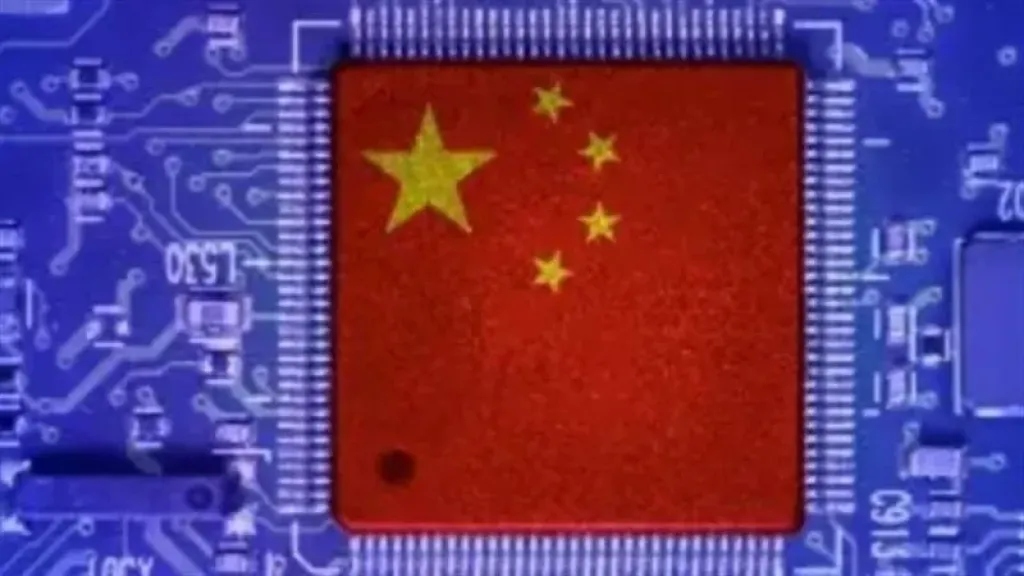
The United States has tightened its restrictions on Chinese technology imports in a strategic move aimed at accelerating the localization of manufacturing for sensitive tech products and components. The decision seeks to mitigate risks associated with integrating foreign equipment into critical U.S. infrastructure, particularly within the telecommunications, energy, data center, and Artificial Intelligence (AI) sectors.
Brendan Carr, Chairman of the U.S. Federal Communications Commission (FCC), stated that the import restrictions on Chinese robots, power inverters, and other tech products are designed to compel companies to increase their investments within the United States. This approach ensures the development of reliable domestic manufacturing capabilities in areas vital to national security.
Carr explained that Washington wants to avoid a scenario where thousands or millions of potentially risky devices are embedded across U.S. infrastructure. He emphasized that taking early preemptive action is essential to prevent the accumulation of such security vulnerabilities in the future.
Targeting Drones, Robots, and Power Grids
Since December, the FCC has imposed strict restrictions on new models of foreign drones, routers, robots, and power inverters. By granting exemptions to suppliers from non-Chinese countries, the measures have effectively narrowed Chinese tech firms' access to the U.S. market.
The latest restrictions encompass bans on importing new models of Chinese humanoid and quadruped robots, as well as grid-connected power inverters. These inverters play a crucial role in linking renewable energy sources and battery storage to power grids, and are heavily utilized in data center infrastructure.
This crackdown coincides with the growing strategic importance of energy and computing infrastructure, driven by massive U.S. investments in AI and data centers. Consequently, Washington is intensifying its scrutiny over foreign equipment that could penetrate these vital systems.
Retaliation and the Scope of Future Bans
The new U.S. restrictions have provoked a reaction from China, which has implemented retaliatory measures against certain American products and companies, further escalating the technological tensions between the world's two largest economies.
U.S. authorities are currently evaluating whether to expand the restrictions to include critical data center components, such as the optical transceivers relied upon by high-speed telecommunications networks for data transmission. This stems from U.S. concerns that relying on foreign components could expose AI-supporting infrastructure to severe security risks.
When asked about the prohibited products list, Carr declined to specify whether these components would be added. He clarified that decisions to expand the scope of restrictions are made by the executive branch and national security agencies, while the FCC’s role is strictly limited to implementing those directives.
Industry Concerns Over Transparency
Conversely, Democratic FCC Commissioner Anna Gomez expressed support for safeguarding national security but sharply criticized the execution of the new policy. She warned that rapid shifts in U.S. tech policy are raising alarms among businesses and the industrial sector.
Gomez highlighted that American companies and industry leaders are anxious about the rollout of these changes, noting that a lack of clarity and transparency could create the impression that the new policies arbitrarily favor certain entities over others.
A Broader Tech War
The sweeping U.S. measures reflect Washington's accelerating drive to decouple from Chinese technology in critical sectors, simultaneously reinforcing domestic manufacturing and securing supply chains for energy, telecom, and AI equipment.
This move is part of a much broader technological cold war between the U.S. and China. The battleground is no longer confined to semiconductors and AI; it has expanded into robotics, energy equipment, data center components, and digital infrastructure, fueled by mounting fears that commercial technology could be weaponized or used to compromise strategic sectors.
Through these restrictions, the U.S. aims to achieve dual objectives: neutralizing potential security risks tied to Chinese technology, and redirecting capital toward American manufacturers to build a resilient, self-sufficient domestic tech ecosystem.