
Uber Unveils $10 Billion Plan to Deploy 120,000 Autonomous Vehicles Across 15 Cities
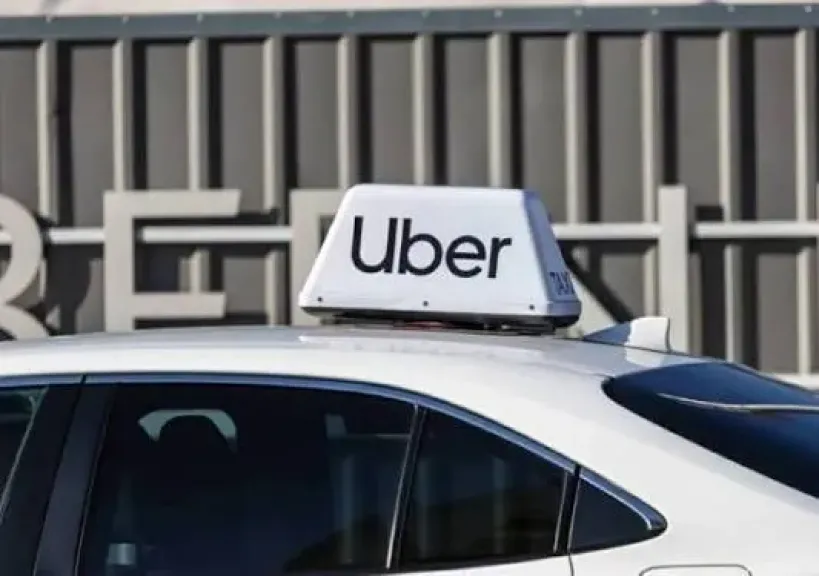
In a massive pivot toward the future of mobility, Uber plans to inject over $10 billion in the coming years to rapidly expand its autonomous taxi fleet. The ride-hailing giant aims to deploy approximately 120,000 autonomous vehicles (AVs), signaling an accelerated shift toward self-driving technologies while simultaneously reigniting debates about the future of the millions of human drivers operating on its platform.
The company aims to progressively roll out its autonomous ride-hailing services to at least 15 cities. This strategic expansion is designed to cement Uber's position as one of the world's premier platforms for operating and marketing self-driving vehicles.
Strategic Partnerships Over In-House Development
This aggressive push comes at a time when the transportation sector is undergoing a rapid transition toward robotaxis. Uber faces mounting competition not only from specialized AV firms but also from tech and industrial titans developing their own driverless commercial fleets.
To execute this vision, Uber is adopting a partnership-centric strategy. Rather than developing full-stack AV technology internally, the company is collaborating with leading autonomous tech developers and auto manufacturers. This approach allows Uber to focus on its core competencies: operating the transportation network, matching vehicles with riders, and managing bookings and logistics.
Robust Financial Muscle
Uber's ambitious expansion plans are backed by stellar financial performance, empowering the company to fund massive investments in next-generation transport tech.
Financial MetricPerformance Highlight
Q2 Gross Bookings~$58 Billion (A 24% YoY Increase)
Q2 Free Cash Flow$2.8 Billion (Record High)
Total Annual Free Cash Flow~$10.1 Billion
Uber’s CEO, Dara Khosrowshahi, emphasized that the company's formidable financial position provides the leverage needed to accelerate its AV investments. This runs parallel to Uber's broader strategy of integrating diverse transport technologies and services into a single, unified super-app.
The Human Element and Phased Rollout
The impending surge in autonomous taxis has naturally sparked growing anxieties regarding the impact on Uber’s human drivers, who have been the bedrock of the company’s business model since its inception. While a successful, large-scale AV rollout could eventually reduce reliance on human drivers in specific markets and routes, Uber is not looking at an immediate replacement. Human-driven cars are expected to remain a central pillar of the network throughout the initial transition phases.
The rollout will be highly phased, initiating in a limited number of cities and tightly geofenced operational zones under strict oversight. Early stages may even feature human safety operators inside the autonomous vehicles before transitioning to fully independent operations.
Navigating Roadblocks
Widespread commercial deployment of robotaxis still faces significant hurdles. Chief among these are securing stringent regulatory approvals, meeting rigorous safety standards, and ensuring the vehicles can reliably navigate adverse weather conditions, unpredictable urban traffic, and complex city grids. The technology must unequivocally prove its safety and reliability at scale before it can serve as a complete commercial substitute for human-driven rides.
This transition presents Uber with a monumental opportunity to reshape its underlying business model. However, it also demands the delicate management of a highly sensitive transitional period—bridging the gap between a system reliant on millions of gig workers and a new paradigm driven by autonomous machines.
Backed by a $10 billion commitment and a target of 120,000 self-driving cars, Uber is making it unequivocally clear: autonomous driving is now a central pillar of its future growth, positioning the company at the vanguard of a global industry moving steadily away from the human steering wheel.