
China’s Manufacturing Activity Set to Stall in July Amid Weak Domestic Demand and Rising Global Costs
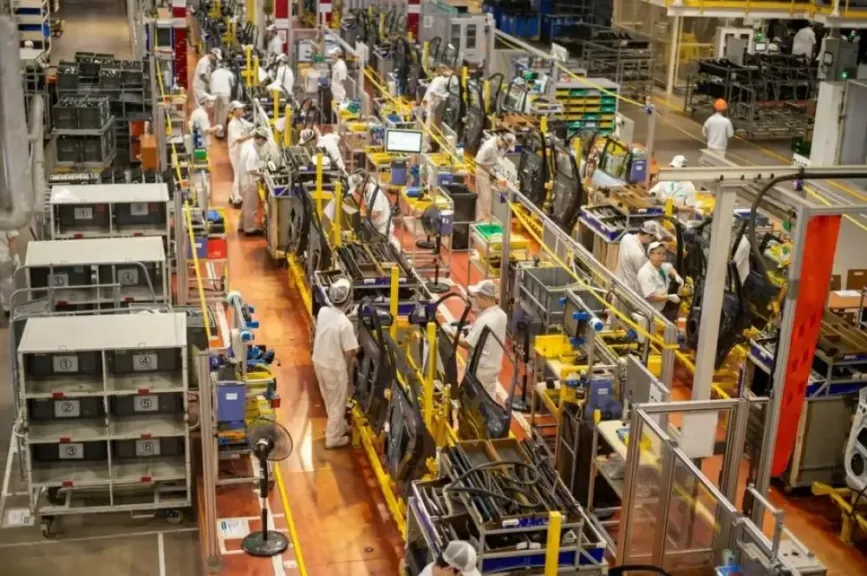
China’s manufacturing sector growth is poised to stall in July, as weak domestic consumption and escalating cost pressures linked to the ongoing conflict in the Middle East neutralize the momentum gained from robust global demand for Chinese exports.
According to a recent Reuters poll surveying 31 economists, China's official Purchasing Managers' Index (PMI) for the manufacturing sector is expected to drop to exactly 50.0. This critical threshold separates economic expansion from contraction, representing a slight decline from the 50.3 reading recorded in the previous month. The National Bureau of Statistics (NBS) is scheduled to release the official data this Friday.
A Tale of Two Sectors:
Export-Driven Tech Boom: High-tech manufacturers have heavily capitalized this year on surging global demand, particularly for advanced products tied to artificial intelligence (AI) infrastructure.
Domestic Market Struggles: Conversely, manufacturers heavily reliant on the local market continue to grapple with sluggish consumer appetite and notably weakened domestic spending.
Broader Economic Implications and Real Estate Pressures:
The projected stagnation in industrial activity follows a disappointing second quarter, during which China’s Gross Domestic Product (GDP) recorded its slowest growth rate in over three years. The broader economic slowdown has been primarily driven by sluggish retail sales and declining overall investments, compounded by persistent structural challenges within the property sector.
Consequently, the softening PMI forecasts are intensifying market expectations that policymakers in Beijing will be forced to introduce further supportive stimulus measures to reinvigorate economic growth and boost domestic confidence in the coming months.