Egypt assumes the presidency of the World Summit on the Information Society (WSIS Forum) for 2026 in Geneva
As a culmination of its active role within the International Telecommunication Union; The Arab Republic of Egypt, represented by the Ministry of Communications and Information Technology, took over the presidency of the World Summit on the Information Society (WSIS Forum 2026) from the Republic of South Africa during the opening session of the forum hosted by Geneva, Switzerland. The Forum is the main international platform for the implementation of the World Summit on the Information Society and supporting global digital cooperation with the participation of stakeholders from around the world from governments, the private sector, civil society, technical communities, academia, youth and international organizations.
Eng. Rafat Hindi, Minister of Communications and Information Technology, chairs the forum. He manages the high-level sessions and ministerial tracks, directs strategic discussions, supervises the work of the forum in coordination with the ITU Secretariat, as well as representing the Forum in various official events and presenting the Presidential Report during the closing session of the Forum.
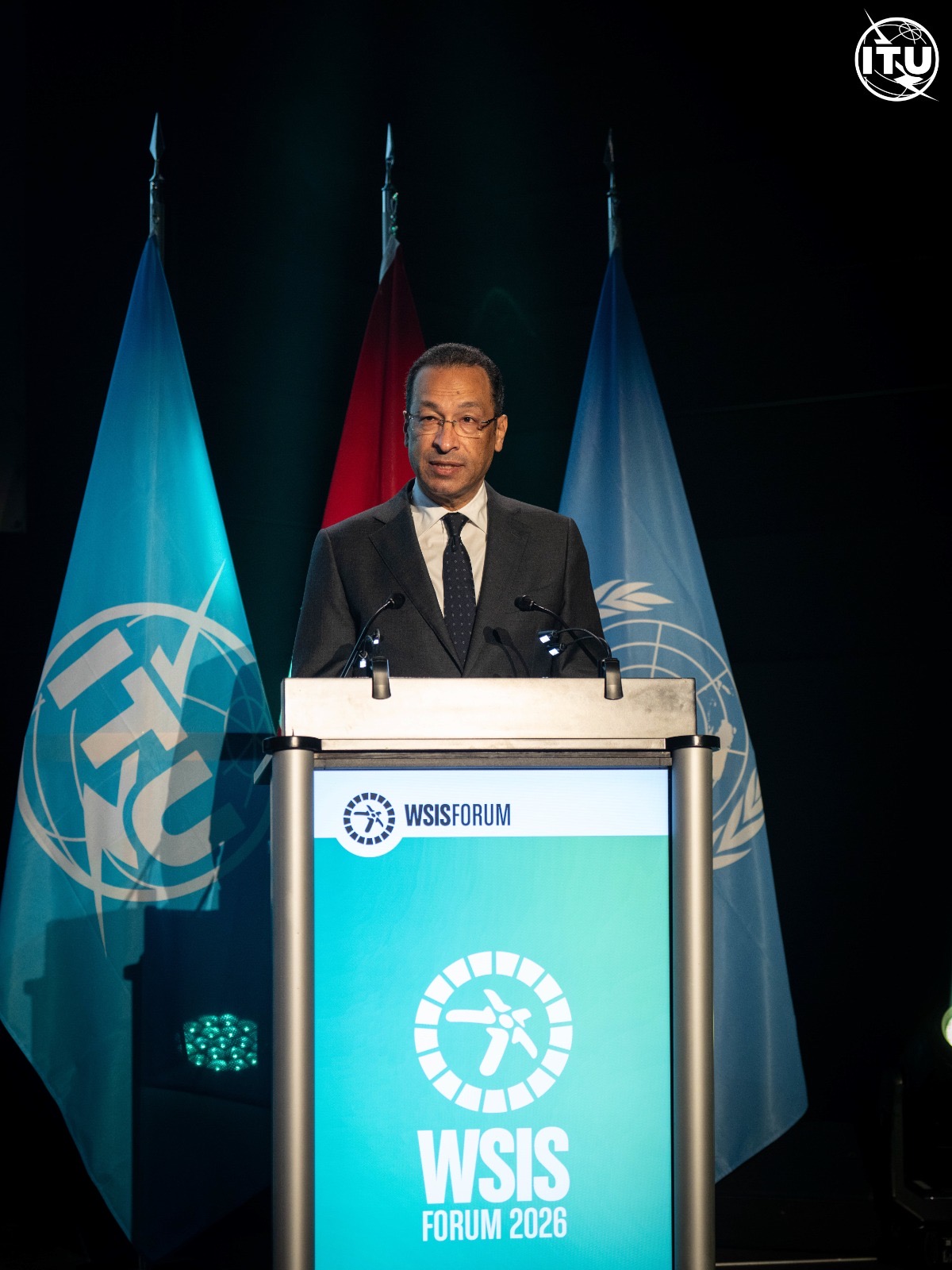
Eng. Rafat Hindi began the work of the presidency by delivering an opening speech. He expressed the pride of the Arab Republic of Egypt in assuming the chairmanship of the World Summit on the Information Society for 2026, expressing his sincere appreciation to the International Telecommunication Union, the United Nations Educational, Scientific and Cultural Organization (UNESCO), the United Nations Development Program, the United Nations Conference on Trade and Development, and all United Nations partners, for their continuous leadership in advancing the World Summit on the Information Society. He also thanked all stakeholders whose commitment contributed to making the Forum a unique platform for inclusive dialogue and international cooperation.
He also expressed his appreciation to Mr. Suli Malace for the distinguished presidency of South Africa for the World Summit on the Information Society for 2025, pointing out that Egypt will work to build on what was achieved during that presidency and move forward in the next phase of the World Summit on the Information Society. He stressed that the process of reviewing the World Summit on the Information Society after twenty years of the Tunisia agenda confirmed that the vision of the summit still represents the basis on which international digital cooperation is based, explaining that the challenge is no longer to formulate the vision, but to accelerate the pace of its implementation in light of the unprecedented technological changes the world.
He explained that digital technologies, especially artificial intelligence, are rapidly transforming economies and societies, and providing great opportunities to support sustainable development, improve public services, expand access to education and health care, and create new opportunities for innovation and economic growth, stressing the importance of digital progress being inclusive, trustworthy and accessible to all.
He added that Egypt, as Chair of the Forum, is committed to working closely with all stakeholders to ensure that the next phase of the WSIS is characterized by practical cooperation and achieving concrete and measurable results, and working to promote an open, inclusive and multi-stakeholder dialogue involving governments, the private sector, the technical community, academia, civil society and international organizations, in order to transform common aspirations into practical actions.
He pointed out that Egypt sees the importance of paying special attention to bridging digital gaps, enhancing digital capabilities, enabling the responsible and comprehensive use of artificial intelligence, expanding the public digital infrastructure, and mobilizing sustainable financing to ensure that developing countries can participate fully in the global digital economy and contribute to its development.
Eng. Rafat Hindi stressed that Egypt is chairing the forum with a firm belief in the value of the partnership, explaining that its role as president of the forum is to listen, build consensus, and create opportunities to enhance cooperation between the various regions and sectors, and that the success of this presidency will be translated into the partnerships being built and the tangible results achieved, which contributes to advancing the digital development process and ensuring that no one is behind.
Following his speech, Eng. Rafat Hindi presented a commemorative shield to Ms. Dorin Bogdan Martin, Secretary General of the International Telecommunication Union, in recognition of the efforts of the International Telecommunication Union (ITU) in promoting international digital cooperation. He also presented a memorial shield to Mr. Suli Malatsi, Minister of Communications and Digital Technologies of South Africa, in recognition of his efforts during the presidency of the previous session of the Forum.
The opening session was attended by Mr. Alar Karis, President of the Republic of Estonia, Mr. Jaslan Madiv, Deputy Prime Minister and Minister of Artificial Intelligence and Digital Development of the Republic of Kazakhstan, Ambassador Alaa Hijazi, Permanent Representative of Egypt in Geneva, Eng. Mohamed Shamroukh, CEO of the National Telecommunications Regulatory Authority, Eng. Mahmoud Badawi, Assistant Minister of Communications and Information Technology for Digital Transformation Affairs, Dr. Huda Baraka, Advisor to the Minister of Communications and Information Technology for the Development of Technological Skills, Mr. Ahmed Saeed, Advisor to the Minister of Communications and Information Technology for Economic and Statistical Affairs and Head of the International Policy Sector at the National Telecommunications Regulatory Authority, Ms. Samah Aziz, Head of the Central Department of International Relations at the Ministry of Communications and Information Technology, and a number of ministers, ambassadors, and senior government officials, Leaders of international companies, officials and representatives of civil society organizations, international organizations, and academics from around the world.
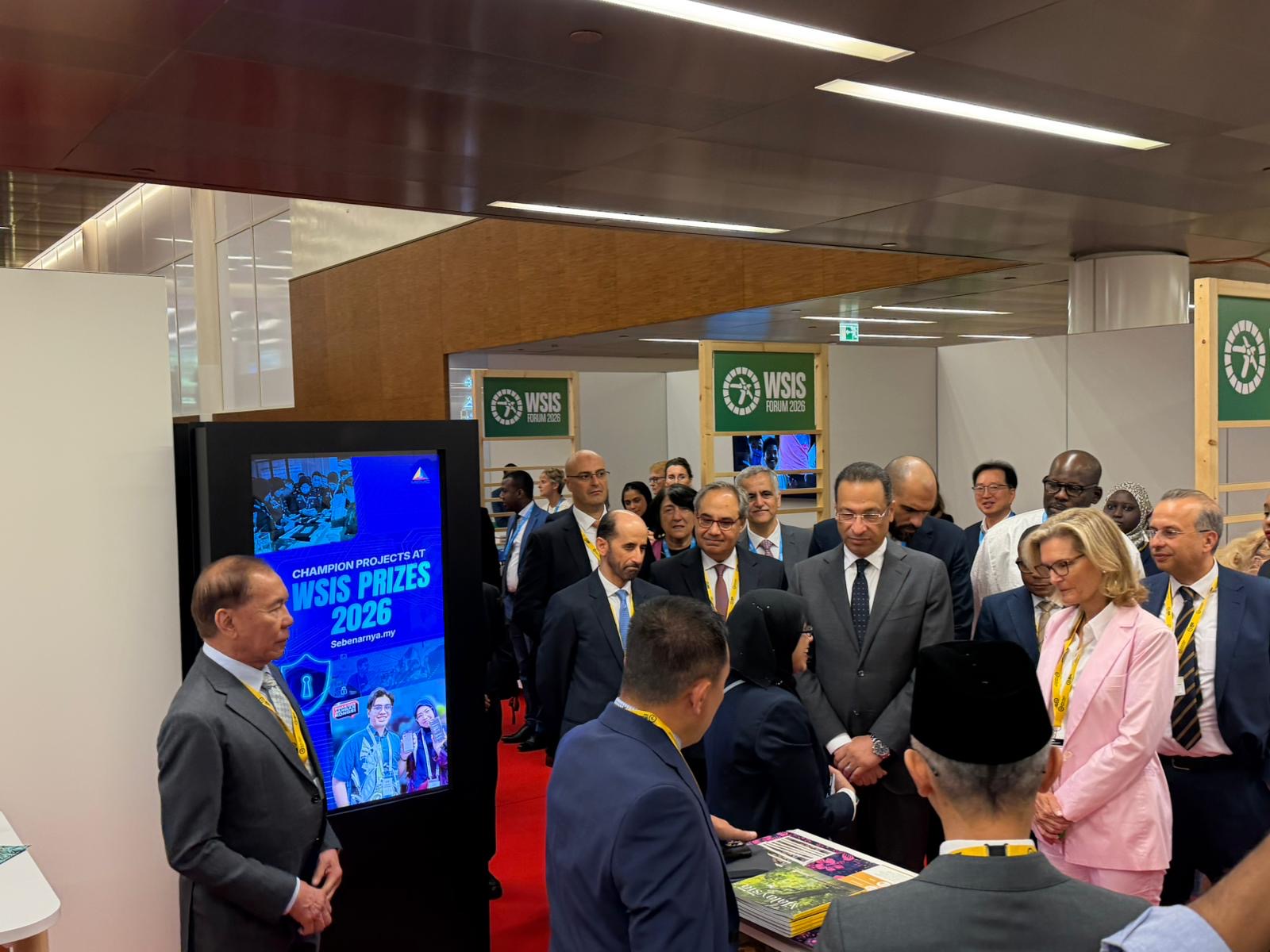
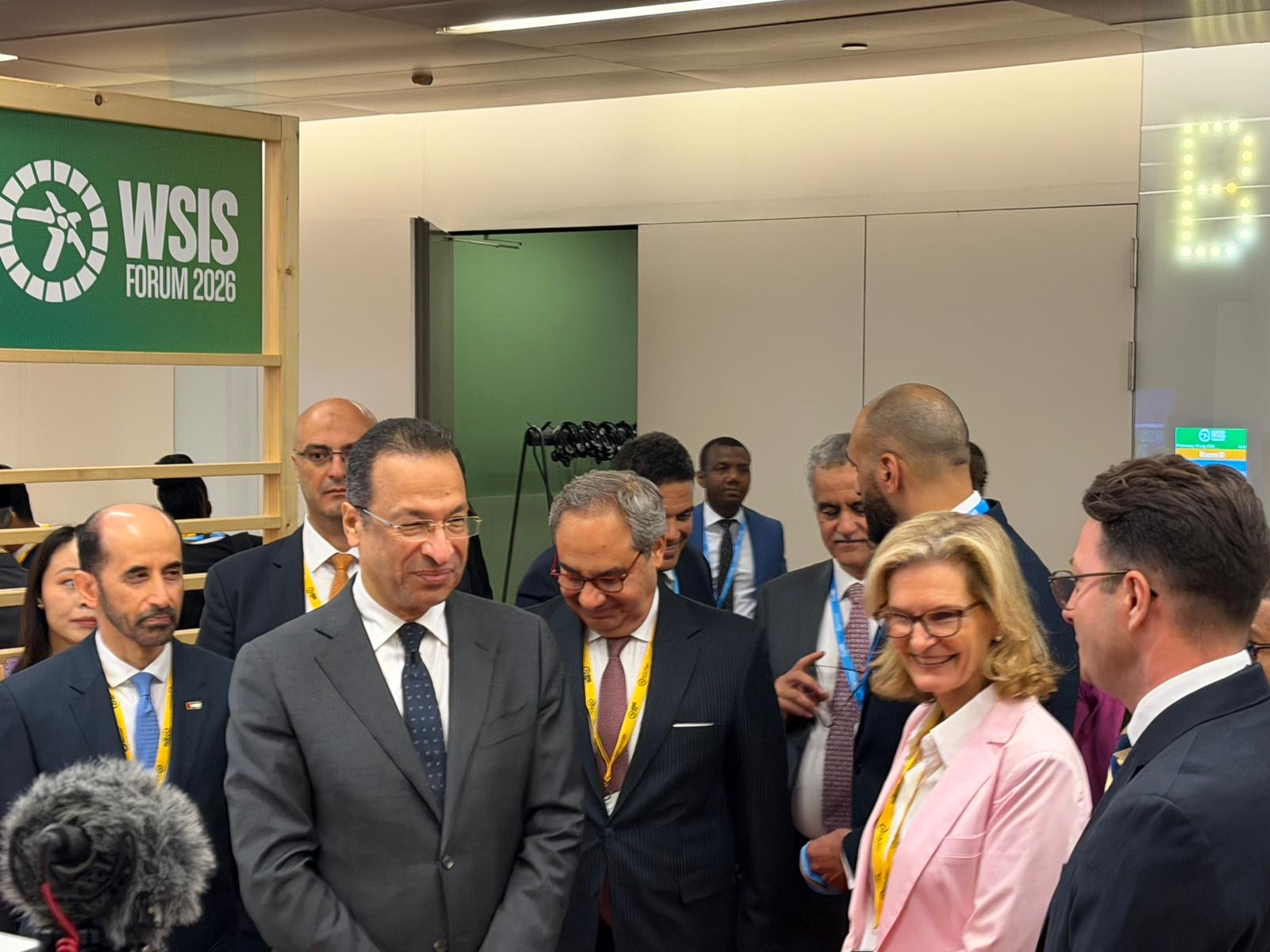
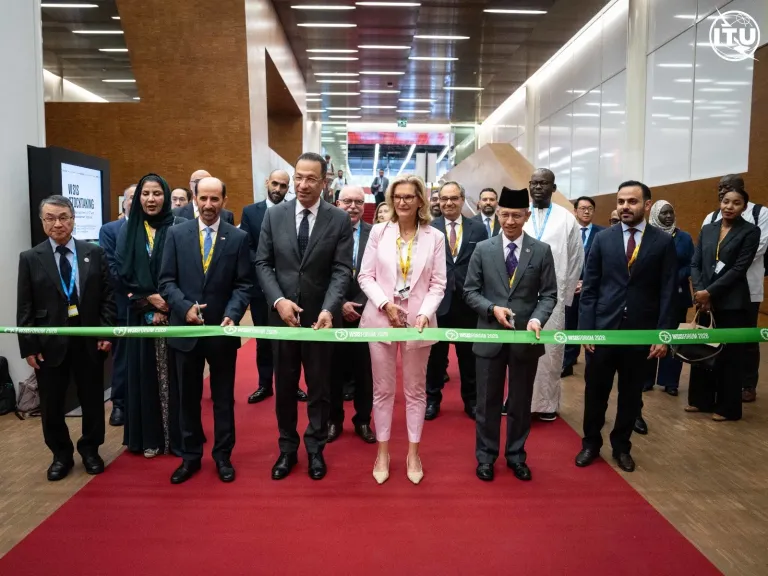
In a related context, Eng. Rafat Hindi and Ms. Dureen Bogdan Martin opened the exhibition accompanying the forum, which highlights initiatives and partnerships that promote comprehensive digital development.
It is worth mentioning that the WSIS Forum has established itself as a global hub for innovation, emerging trends, and forward-looking discussions. This year's session highlights the importance of concerted efforts by all stakeholders to develop the digital society by supporting the development of digital infrastructure, digital inclusion, cybersecurity, and artificial intelligence, in addition to discussing topics related to emerging risks, such as online safety challenges, misinformation, data management concerns, and widening the digital divide, enabling multilateral responses to the changing digital reality.
Egypt's selection of the presidency of the forum comes within the framework of the extended strategic partnership between Egypt and the International Telecommunication Union, and based on the active Egyptian role in supporting the process of the World Summit on the Information Society since its launch, and in recognition of Egypt's continuous and effective participation in the work of the summit for more than two decades. The Ministry of Communications and Information Technology played a constructive role in supporting international discussions on digital transformation and sustainable development, contributing to the exchange of experiences and best practices, and promoting digital policies that support development, reflecting the Egyptian state's commitment to the objectives of the World Summit on the Information Society and the strategic priorities of the International Telecommunication Union.
Egypt has also played a pivotal role in advancing digital transformation efforts at the Arab and African levels through supporting regional cooperation, capacity building, and promoting knowledge exchange, which has contributed to establishing its position as a key partner in international efforts to achieve digital inclusion and sustainable digital development.
Egypt's presidency of the Forum is the culmination of the effective role it plays in the International Telecommunication Union, as it is the only country at the level of member states that chairs a committee in each of the three sectors of the Union. It also plays a pivotal role in many of the main topics discussed under the umbrella of the Union, foremost of which are artificial intelligence, digital transformation and new communication technologies.
Egypt's chairmanship of the Forum represents an important opportunity to transfer the priorities and aspirations of Arab and developing countries to a high-level international platform, and contribute to the formulation of future visions related to global digital cooperation.
Egypt's chairmanship of the Forum comes in light of its current membership in the ITU Council representing the African Region (Area D), to enhance its contributions within the ITU system and support its efforts to expand the areas of international cooperation and build partnerships with various countries, organizations and stakeholders participating in the Forum's work. It also provides an opportunity to highlight the pioneering Egyptian experience in the fields of digital transformation, artificial intelligence and digital capacity building, and to review Egyptian visions towards international issues related to the future of technology and digital development.
The 2026 edition of the Forum is of particular importance as the first to be held after the review of the World Summit on the Information Society after twenty years; the Forum undertakes to transform the outputs of the review into concrete practical actions until 2035.
The Forum Sessions Will Also Discuss Roadmaps For The WSIS Action Lines, Policies To Bridge The Digital Divide, Promote Inclusive Digital Cooperation, And Deal With Accelerating Digital Challenges. It also includes an expanded high-level track, enhanced ministerial participation, the 2026 World Summit on the Information Society Awards, exhibitions, and a program shaped through the open consultation process.