
Mark Zuckerberg Champions Meta Smart Glasses as the Next Major Technological Shift
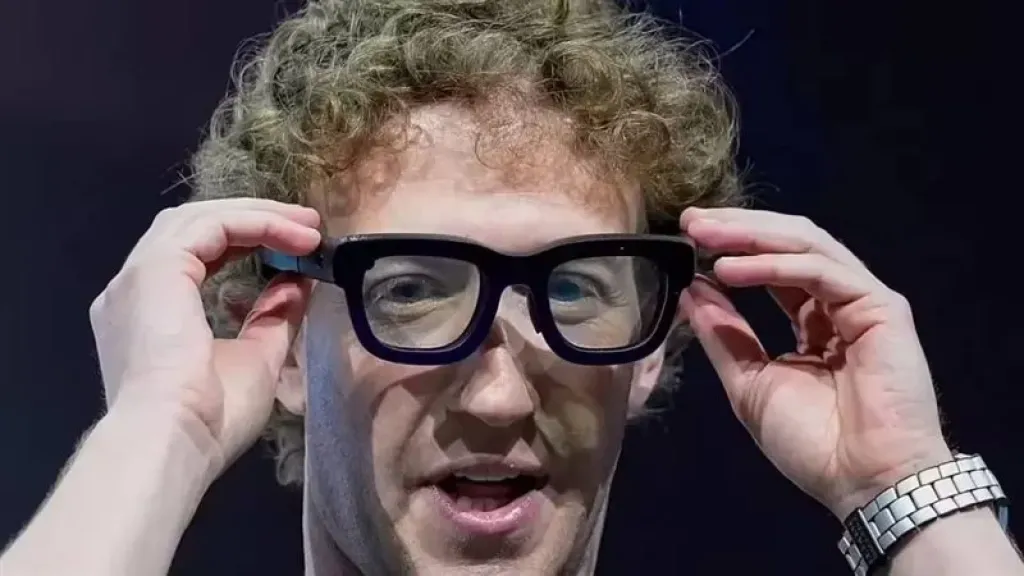
Mark Zuckerberg, CEO of Meta Platforms, continues to promote his vision for the future of wearable devices, asserting that smart glasses will be one of the most prominent technological shifts in the coming years. The Meta CEO revealed that the technology has already become an integral part of his daily routine, utilized during both transit and recreational activities.
Highlighting the device's capabilities, Zuckerberg shared that he successfully conducted business calls and meetings while riding a jet ski using Meta's smart glasses, with the other parties entirely unaware that he was outside a traditional office setting. He explained that the superior audio quality allows for clear conversations even in highly noisy environments. This is achieved through a strategic design that embeds microphones near the nose pad, accurately capturing the user's voice while significantly reducing ambient noise, thereby granting unparalleled flexibility to work and communicate from anywhere.
The Ray-Ban Meta Collaboration & Latest Innovations
Developed in partnership with EssilorLuxottica, the parent company of the Ray-Ban brand, these smart glasses are central to Zuckerberg's broader strategy of expanding Artificial Intelligence (AI) integration into everyday life. The devices seamlessly combine photography, audio, and smart assistant technologies into a single wearable format.
The latest iterations of the glasses boast several advanced features:
Ray-Ban Meta Display: This model comes equipped with a built-in screen designed to display messages, alerts, images, and applications, while also offering real-time translation capabilities.
Neural Band Support: The glasses can integrate with a "Neural Band," an innovative wristband that allows users to control specific functions through the electrical signals generated by arm muscle movements.
Market Potential and "Personal Superintelligence"
Zuckerberg sees immense potential for widespread adoption, pointing out the massive, ready-made market of billions of people worldwide who already wear prescription glasses. He views the transition to AI-equipped eyewear as a natural progression, explicitly comparing the impending shift in the eyewear market to the historical evolution from traditional mobile phones to smartphones.
Meta has spent years developing virtual and augmented reality (VR/AR) and AI technologies tied to wearables. This is part of a grander project aimed at building what Zuckerberg describes as "Personal Superintelligence"—moving away from reliance on a single, centralized AI system towards an assistant that sees, hears, and interacts with the user's world throughout the day.
Financial Hurdles and Strategic Vision
Despite the profound optimism surrounding the future of smart glasses, the project faces considerable financial challenges. Meta’s "Reality Labs" division, which is responsible for VR and AR technologies, has recorded staggering losses in recent years as the company continues to inject massive investments into R&D.
Addressing these concerns, Zuckerberg confirmed that Meta's strategy hinges on prioritizing scale: building products that reach a massive user base first, and developing robust revenue models later as the ecosystem expands. He noted that smart glasses could rapidly become one of the fastest-growing consumer electronics globally.
Ultimately, Meta seeks to elevate smart glasses from a simple accessory into a foundational new technological platform capable of rivaling smartphones, deeply weaving AI into the fabric of daily life, work, and human connection.