
Central Bank of Egypt Introduces New Policies to Integrate Freelancers into the Formal Financial System
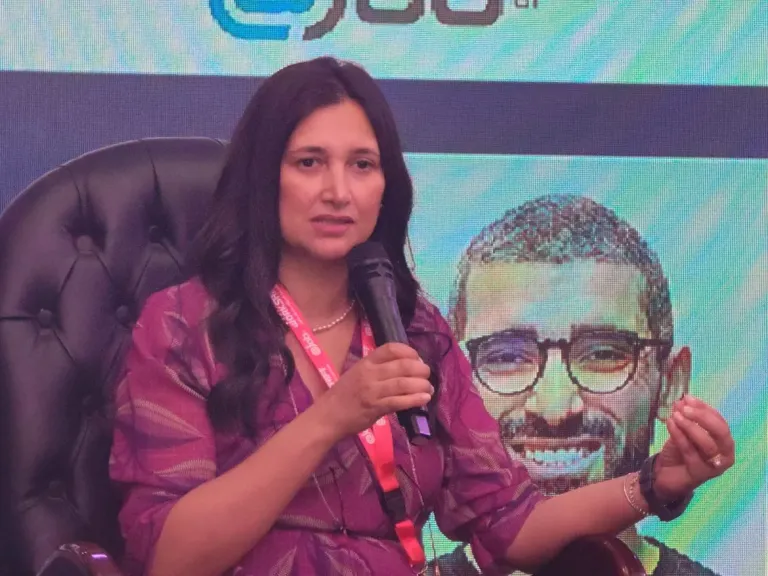
Sally Abdel Kader, General Manager of the Financial Literacy Department within the Financial Inclusion Sector at the Central Bank of Egypt (CBE), stated that rapid shifts in the digital labor market have driven the CBE to formulate new policies and procedures aimed at integrating independent workers into the formal financial ecosystem. She noted that the youth are increasingly gravitating toward digital platforms and the gig economy before considering traditional employment, necessitating the provision of financial services tailored to this transformation.
Abdel Kader explained that current labor market trends represent a natural evolution. Consequently, the CBE began simplifying access to financial services years ago, focusing specifically on Know Your Customer (KYC) identity verification procedures. Today, any citizen can access a range of financial services using only their National ID card, without the need for additional documentation, by applying a "Risk-Based Approach."
She elaborated that this methodology assesses each customer's risk level. For low-risk customers, no documents other than the National ID are required, and they are granted appropriate daily and monthly transaction limits. Additional documents are requested only if the customer exceeds these limits or if the risk profile elevates. This strategy has significantly facilitated the entry of broad demographics into the formal financial sector.
Furthermore, Abdel Kader highlighted the CBE's efforts to address a major hurdle for freelancers: using personal bank accounts for economic activities. She confirmed the introduction of the "Economic Activity Account," which any freelancer or micro-business owner can open using just their National ID. This enables them to officially and seamlessly receive payments, settle obligations, execute transfers, and transact with suppliers and clients, all within specified regulatory frameworks.
The surge in remote work and digital platforms has also exposed challenges in receiving cross-border payments. Many freelancers rely on foreign platforms to collect their earnings, depriving the Egyptian market of crucial financial inflows that could have been channeled through local banks and fintech companies. Abdel Kader emphasized that the CBE views this as a massive economic opportunity rather than just a challenge. Accordingly, initiatives are underway to develop solutions that allow these payments to be received within the Egyptian financial system, bringing mutual benefits to freelancers, banks, fintech firms, and the broader national economy.
She pointed out that one of the most prominent hurdles in driving financial inclusion was convincing financial institutions that freelancers represent a genuine investment opportunity. While some institutions viewed gig workers as low-yield clients compared to large corporations, the sheer volume of this demographic proves otherwise. Even with limited individual returns, the existence of millions of independent workers constitutes a massive market with substantial economic potential.
Finally, Abdel Kader noted that the CBE, in collaboration with several banks, has conducted direct dialogue sessions and focus groups with freelancers to understand their unique needs and challenges. These discussions highlighted difficulties in licensing, the absence of a clear formal framework, and a lack of accurate data regarding their actual numbers. With freelance activities now spanning technology, software development, design, and the creative industries, there is a pressing need to develop more precise classifications to shape financial policies that support this rapidly growing sector.