
Google Officially Launches Android 17 with Advanced Gemini Omni Integration, Lyria 3 Music Creation, and Wear OS 7
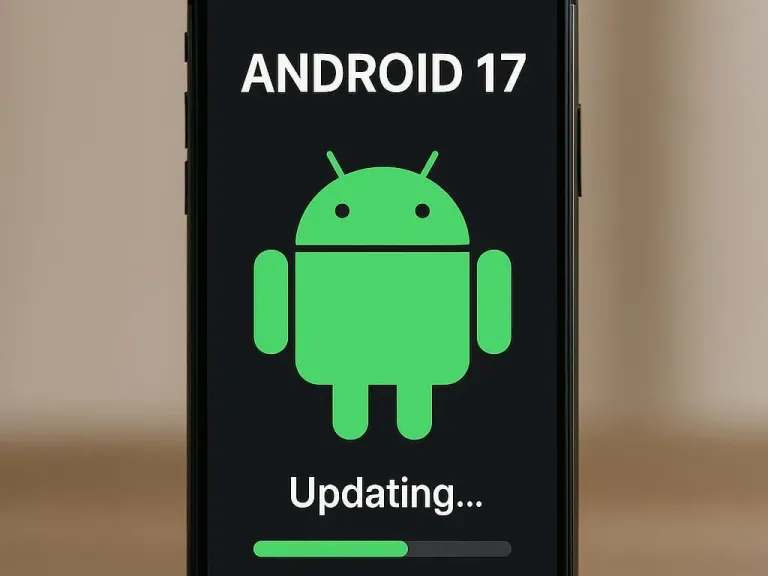
Google has officially rolled out the final release of its Android 17 operating system, marking a definitive shift toward embedding deep generative artificial intelligence across smartphones and wearable devices. The core platform upgrade introduces a robust suite of productivity features designed to optimize daily workflows and user experiences.
The new OS is deploying first to Google’s flagship Pixel lineup, debuting in tandem with a comprehensive Pixel Drop update. This software package delivers next-generation AI capabilities, including text-to-music generative models, in-chat video editing, and refined real-time voice translation systems.
Gemini Ecosystem and Creative Innovation Android 17 focuses heavily on expanding the core utility of the Gemini assistant within the mobile framework. Users can now generate original music tracks from text prompts or images using the newly deployed Lyria 3 model. Concurrently, the Gemini Omni engine enables complex multimodal tasks, such as modifying video files directly within active chat threads, underscoring Google’s strategy to transform smartphones into AI-powered production hubs.
The platform also overhauls cross-device data mobility. Select new and legacy Pixel devices now support broader compatibility with cross-platform file-transfer protocols, streamlining content sharing across fragmented ecosystems. For cellular communication, Google introduced a personalized voice-memo feature that automatically replies to incoming callers when the user is unavailable, while expanding visual voicemail features to additional global territories.
Productivity, Content Creation, and Security Frameworks
The Bubble Bar Interface: On the productivity front, Android 17 introduces the Bubble Bar—a floating multitasking dock that organizes recently used applications into interactive bubbles at the bottom of the screen to accelerate app switching.
Dual-Camera Recording for Creators: Tailored for creators and social media professionals, a new system tool enables concurrent screen recording and front-facing camera capture, facilitating seamless reaction-video production optimized for short-form video platforms.
Granular Security and Parental Controls: The OS introduces a "Mark as Lost" feature within the Find My Device network, alongside live-threat detection patches. Parental controls have been upgraded to allow screen-time rationing and content filtering locally via a secure PIN without requiring a linked Google account.
Foldable Gaming Architecture: For mobile gaming, the software deploys a 50/50 split-screen layout on foldable devices, complete with a dynamic virtual controller setup.
Wear OS 7 Ecosystem Upgrades In parallel, the smartwatch ecosystem receives a major lift via Wear OS 7. The wearable platform gains expanded access to Gemini’s analytical capabilities, allowing users to build custom watch widgets via natural language prompts and sync Google ecosystem apps directly to chat histories for hyper-personalized contexts. Furthermore, Google confirms structural power-management patches capable of extending smartwatch battery life by up to 10%, alongside multi-step automation routines for daily tasks.
This rapid ecosystem deployment drops amidst an intensifying global AI arms race. Google is clearly positioning Android as the premium storefront for its most advanced neural networks, defending its operating system margins against enterprise rivals racing to deploy competitive AI features natively within their own software rails.