
Middle East Conflict Prompts World Bank to Cut Global Growth Forecast
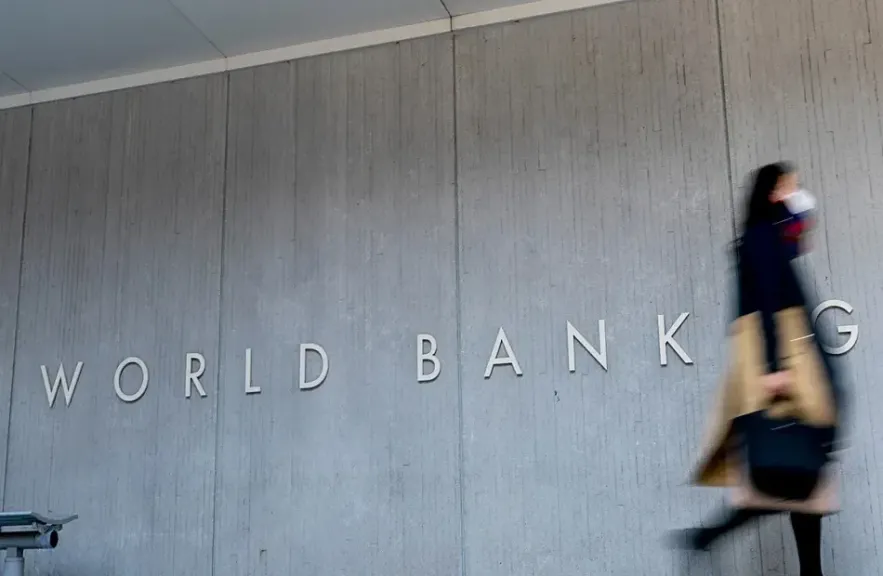
The World Bank has lowered its outlook for global economic growth, warning that escalating geopolitical tensions in the Middle East are adding fresh uncertainty to an already fragile global economy and threatening to slow investment, trade, and consumer spending worldwide.
The downgrade comes amid growing concerns that the ongoing conflict in the region could disrupt energy markets, increase inflationary pressures, and undermine economic recovery efforts across both developed and emerging economies. According to the World Bank, geopolitical instability has become one of the most significant risks facing the global economy in 2026.
War Adds New Pressure to Global Economy
In its latest assessment, the World Bank warned that the conflict in the Middle East is creating additional headwinds for global growth at a time when many countries are still grappling with elevated debt levels, weak productivity growth, and lingering effects of previous economic shocks.
The institution noted that heightened uncertainty often leads businesses to delay investments and expansion plans, while consumers become more cautious about spending, resulting in slower economic activity across multiple sectors.
Energy Markets Remain the Biggest Concern
A major source of concern for policymakers is the potential impact of the conflict on global energy supplies. Any disruption to oil and gas flows from the Middle East could push energy prices higher, reigniting inflation and forcing central banks to maintain tighter monetary policies for longer than previously expected.
Higher energy costs would not only affect households but also increase operating expenses for manufacturers, transport companies, and businesses worldwide, potentially weakening economic growth further.
Emerging Markets Face Greater Risks
The World Bank highlighted that developing and emerging economies are particularly vulnerable to prolonged geopolitical tensions. Many of these countries rely heavily on imported energy and external financing, making them more exposed to fluctuations in commodity prices and shifts in global investor sentiment.
Countries with large current account deficits or significant debt burdens could face additional pressure if market volatility increases or financing conditions tighten.
Trade and Investment Could Slow
Beyond energy markets, the conflict also poses risks to international trade routes and supply chains. Shipping disruptions, higher insurance costs, and logistical challenges could increase the cost of moving goods across global markets, adding another layer of pressure to economic activity.
The World Bank cautioned that a prolonged conflict could reduce cross-border investment flows and weaken business confidence, especially in regions closely linked to global trade networks.
Outlook Remains Uncertain
Despite the downgrade, the World Bank does not currently foresee a global recession. However, it stressed that economic prospects remain highly dependent on geopolitical developments, inflation trends, and the policy responses of governments and central banks.
Economists note that while the global economy has shown resilience in recent years, escalating conflicts and rising geopolitical fragmentation are creating new challenges that could weigh on growth for an extended period.
As governments and businesses monitor developments in the Middle East, the World Bank’s latest warning serves as a reminder that geopolitical risks have once again become a major factor shaping the direction of the global economy.