
HSBC and Mastercard Launch AI-Powered ”Smart Agent” B2B Payment Pilot in Singapore
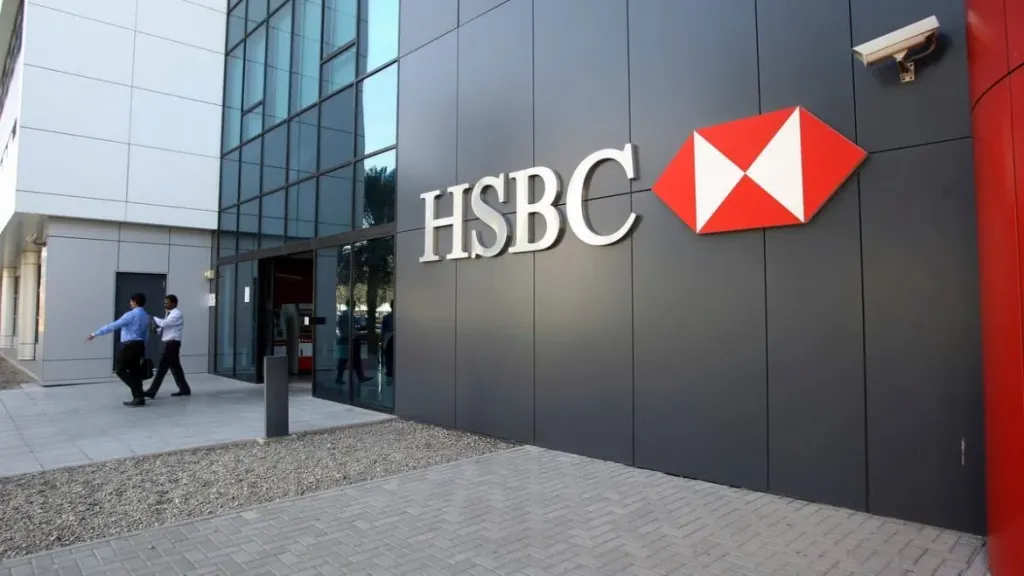
HSBC and Mastercard have partnered to launch a live, first-of-its-kind pilot project in Singapore testing a new business-to-business (B2B) payment model driven by AI-powered "smart agents." The initiative marks a major acceleration in the automation of corporate cash management and digital commerce workflows.
The live-market trial successfully executed an end-to-end digital transaction involving a multinational corporate buyer, a Singapore-based digital procurement platform, and an e-supplier. The transaction utilized a fully tokenized payment infrastructure alongside automated merchant discovery and matching protocols embedded natively within the system.
Pilot Project Architecture & Core Metrics:
Operational PillarTechnical & Architectural ComponentsEnterprise Strategic Objective
Payment RailTokenization & Real-time SettlementEliminating cross-border payment latency and clearing friction.
Automation LayerAI-Driven "Smart Agents" (Agentic Commerce)Automating purchase orders, merchant verification, and payment execution.
Risk ManagementInstitutional Policy Guardrails & FiltersEnsuring transactions operate strictly within pre-defined corporate limits.
Market TargetSoutheast Asia Digital Trade CorrdidorsScaling flexible financial pipelines for high-velocity supply chains.
Shifting to Autonomous Corporate Execution
The successful pilot demonstrates a notable shift in institutional cash management. By transitioning from manual, human-directed payment approval flows to semi-autonomous digital agents, companies can delegate purchasing verification, compliance screening, and automated payment execution to software agents.
The participating institutions emphasized that embedding artificial intelligence into core corporate payment rails provides an added layer of real-time auditing and security. This structure optimizes liquidity management and accelerates cross-border treasury settlements without exposing the enterprise to unhedged compliance risks.