
inDrive Expands Anti-Bullying Initiative Globally, Plans Rollout in Egypt Following Strong Public Response
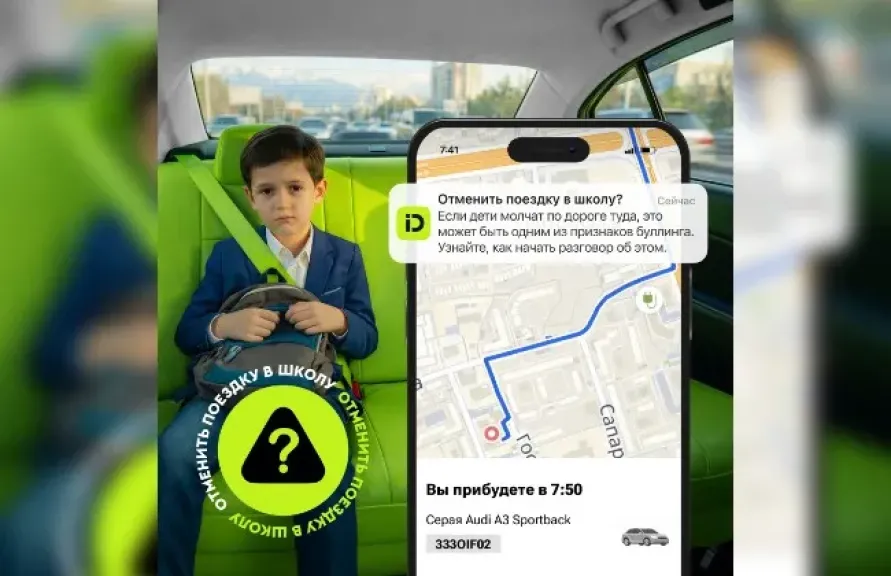
Global mobility and urban services platform inDrive has launched an international social initiative aimed at raising awareness about school bullying and encouraging parents to engage in more meaningful conversations with their children about their emotional well-being.
The campaign builds on the success of “Cancel the School Trip?”, a social awareness initiative first introduced in Kazakhstan in April 2026. Following widespread public engagement and positive feedback, the company is preparing to expand the project across several markets within its global network, including Egypt.
School bullying remains one of the most widespread yet often overlooked challenges facing young people worldwide. According to UNICEF, millions of children experience bullying on a regular basis, while many never report their experiences to parents, teachers, or other adults.
As part of the campaign, parents using the inDrive app for morning school rides received an unexpected push notification asking whether they wanted to cancel the trip after the journey had already begun. While the message initially appeared to be a technical error, it was intentionally designed to encourage parents to pause their routines and reflect on their children's emotional well-being.
The initiative does not advocate avoiding school attendance. Instead, it seeks to prompt conversations that may help parents recognize early warning signs of bullying and provide timely support.
The campaign centers on a simple but powerful concept: the back seat of a car. Organizers describe it as one of the few everyday spaces where parents and children can spend uninterrupted time together, creating opportunities for honest conversations free from distractions.
According to inDrive, meaningful communication does not always require creating new routines. Sometimes, a few minutes of focused conversation during a daily commute can help children feel heard, understood, and comfortable enough to discuss difficult experiences.
Beyond digital engagement, the initiative also featured public awareness installations shaped like car seats in major shopping centers and high-traffic locations across Almaty, drawing attention to the importance of parent-child communication.
The company additionally launched a dedicated online platform developed in collaboration with child psychologists. The platform provides practical guidance for parents on identifying signs of bullying, initiating difficult conversations, and supporting children facing emotional challenges.
As part of the broader initiative, a roundtable discussion brought together psychologists, parents, content creators, and representatives from the creative sector to examine the evolving nature of bullying and explore strategies for building trust between adults and young people.
Experts participating in the discussions emphasized that bullying often remains hidden because children may struggle to articulate their experiences or fear negative consequences. They highlighted the importance of creating safe and supportive environments that encourage open dialogue.
Psychologist Kseniya Lych noted that conventional questions often produce automatic responses from children, whereas open-ended and imaginative conversation techniques can reduce anxiety and make it easier for young people to express their feelings.
The initiative has received strong support from parents, mental health professionals, and members of the broader community, prompting inDrive to begin adapting the campaign for implementation in additional countries.
According to the company, the project delivers a simple but powerful message: combating bullying begins not with large-scale campaigns alone, but with everyday attention, empathy, and communication within families.
As inDrive expands the initiative internationally, the company hopes to encourage more parents to move beyond simply listening to their children and toward truly understanding their experiences, concerns, and emotional needs.