
AI “Deadbots” Spark New Spiritual Obsession in the Technology World
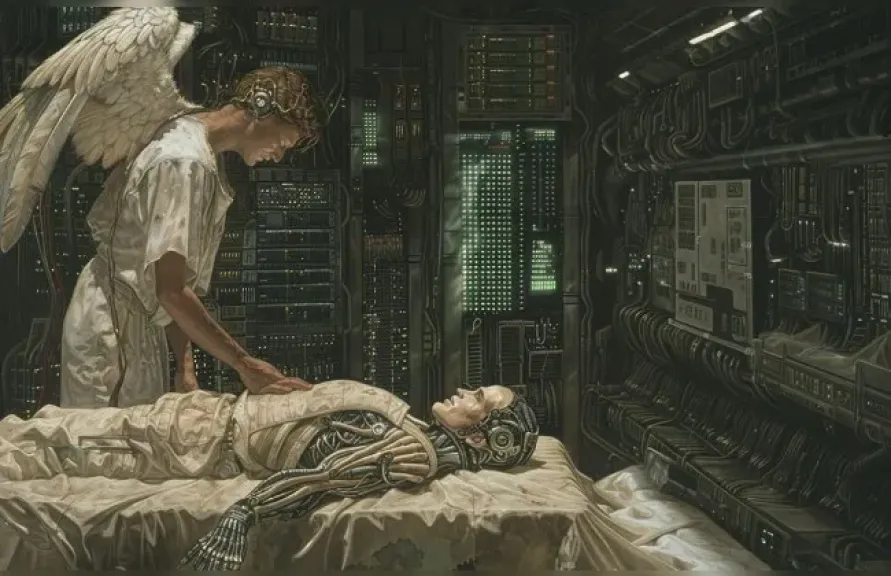
From the telegraph to artificial intelligence, major technological breakthroughs have repeatedly triggered humanity’s tendency to attach spiritual and emotional meanings to emerging innovations. Today, that pattern is resurfacing through a new phenomenon gaining global attention: AI-powered “deadbots.”
These systems use artificial intelligence to simulate conversations, voices, personalities, and writing styles of deceased individuals by analyzing massive amounts of digital data left behind, including messages, social media posts, audio recordings, videos, and personal archives.
What began as experimental technology aimed at preserving memories has rapidly evolved into one of the most controversial intersections between artificial intelligence, psychology, ethics, and spirituality.
Technology companies and startups around the world are increasingly exploring AI tools capable of creating interactive digital replicas of people after death, allowing family members and loved ones to continue conversations with AI-generated versions of the deceased.
Supporters of the technology argue that such systems can help individuals cope with grief and preserve emotional connections, particularly as AI becomes more sophisticated in replicating speech patterns, emotional tone, and behavioral traits.
Critics, however, warn that the growing normalization of “digital resurrection” raises complex ethical and psychological concerns, including emotional dependency, manipulation of memory, misinformation, and the commercialization of grief.
Experts say the phenomenon reflects a deeper historical pattern in which societies tend to project spiritual significance onto transformative technologies during periods of rapid innovation.
When the telegraph emerged in the nineteenth century, many people believed it could facilitate communication with the dead. Similar reactions later accompanied radio, television, photography, and the internet, each viewed at different moments as gateways to unseen worlds or tools capable of transcending mortality.
Today, artificial intelligence appears to be reviving that same fascination — but with far more convincing and immersive capabilities.
The emergence of generative AI, voice cloning, and advanced language models has enabled the creation of highly realistic digital personas capable of maintaining emotionally persuasive conversations that blur the boundaries between simulation and reality.
Researchers warn that as these technologies continue advancing, societies may face increasingly difficult questions surrounding identity, digital legacy, consent, and the emotional consequences of interacting with AI-generated versions of deceased individuals.
The rise of AI “deadbots” also reflects broader debates around humanity’s relationship with technology, mortality, and the growing role of artificial intelligence in reshaping emotional and social experiences.
As AI systems become more deeply integrated into everyday life, experts believe the discussion will increasingly shift beyond technical innovation toward philosophical and ethical questions about memory, consciousness, and what it means to preserve a human presence in the digital age.