
Bloomberg Unveils Top 25 African Startups to Watch in 2026 Amid Shift to Sustainable Growth
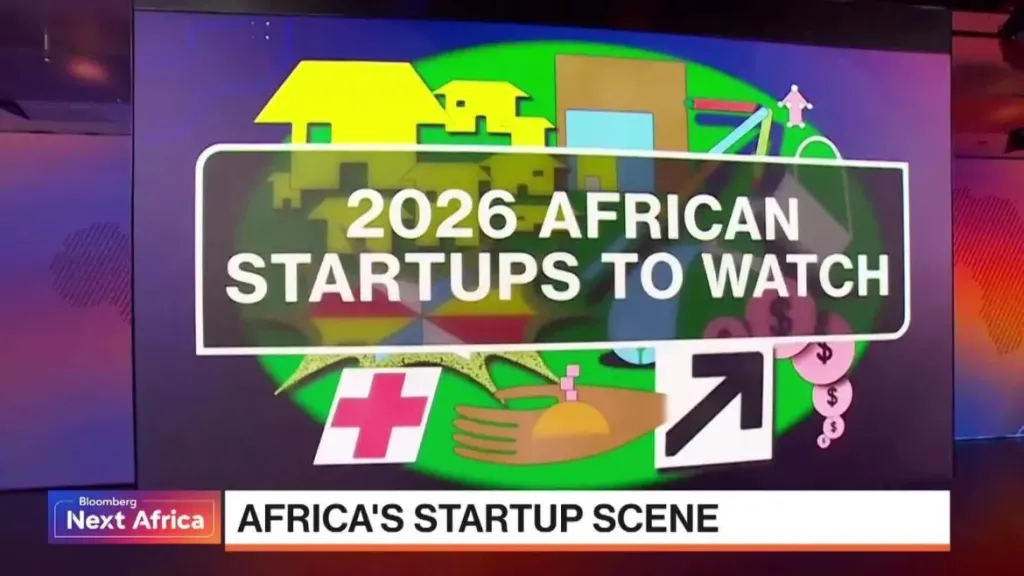
US financial news agency Bloomberg has released its annual index of African startups to watch in 2026. The release comes as the continent’s entrepreneurial ecosystem enters a mature operational phase, pivoting heavily toward building sustainable business models and solving structural macroeconomic and social challenges after years of aggressive, cash-burning expansion.
Evolution of Tech Venture Capital Bloomberg pointed out that Africa's startup financing landscape is undergoing a remarkable shift. Venture capitalists are becoming significantly more selective in deploying capital, leading to a noticeable rise in venture debt instruments and a stronger anchoring role played by domestic African financiers. Strikingly, nearly half of the aggregate institutional funding secured by the featured startups during the current year originated from native African investors, indicating the growing maturity of sovereign and localized capital in funding continental innovation.
The selected 25 companies operate across high-impact verticals including FinTech, HealthTech, logistics, climate tech, AI, AgTech, and security infrastructure, mirroring Africa's immediate priorities: expanding financial inclusion, upgrading clinical care, securing food supplies, and digitizing trade and logistics.
The Bloomberg 25 Index Breakdown The comprehensive list of African innovators features the following enterprises:
HUB2 (Ivory Coast): A fintech operator developing a unified API hub that integrates electronic wallets, commercial banks, and card networks to streamline fragmented payment channels across Francophone West Africa.
Nkwa (Cameroon): A digital finance startup backed by the Cameroonian Ministry of Finance, focused on incubating a savings culture among individuals and micro-merchants within the informal economy.
Omnisient (South Africa): An artificial intelligence platform utilizing alternative consumer datasets to optimize credit-scoring algorithms and unlock banking access for underserved populations.
AzamPay (Mauritius/Tanzania): A payments infrastructure provider enabling enterprises to seamlessly process electronic transactions across cash-dominated East African markets.
Black Swan (Tanzania): A credit-tech platform leveraging AI and alternative indicators—such as utility payments and mobile money habits—to generate credit profiles for SMEs lacking traditional banking histories.
Oye (Kenya): A specialized mobility fintech and insurtech platform integrating micro-insurance and asset financing for motorcycle taxi operators directly into their daily fuel purchases.
PawaPay (Pan-African): A high-scale payments aggregator operating across more than 20 African markets, deliberately focusing on organic profitability rather than relying on hyper-capitalized venture rounds.
Sycamore (Nigeria): A digital lending and investment framework connecting retail borrowers with capital, while actively expanding to offer remittance and investment channels for the African diaspora.
10mg Health (Nigeria): A specialized healthcare financier providing vital working capital to hospitals and retail pharmacies operating within low-liquidity environments.
Remedial Health (Nigeria): A supply chain pharmaceutical startup offering inventory management, counterfeit drug verification, and credit facilities to over 14,000 certified healthcare facilities.
Telemedan (Chad): A rural HealthTech initiative deploying solar-powered telemedicine clinics to connect isolated patients with remote medical practitioners.
Waspito (Cameroon): A telehealth application providing patients with instantaneous, real-time virtual consultations with certified doctors without requiring advance bookings.
SafeSip (Tanzania): An environmental tech firm manufacturing solar-powered, AI-optimized water purification systems to expand access to safe drinking water and mitigate single-use plastic reliance.
Deaftronics (Botswana): A medical hardware manufacturer producing specialized solar-powered hearing aids tailored for off-grid African markets facing persistent power deficits.
Leta (Kenya): A logistical software firm developing advanced fleet optimization, real-time tracking, and route-planning solutions, backed by the Google Africa Investment Fund.
BuuPass (Kenya): A mobility platform digitizing booking infrastructure for buses, trains, and flights across a transportation sector historically dependent on manual systems.
WorkPay (Kenya): An HR-tech ecosystem that has scaled from a basic payroll application into an all-in-one human resources, compliance, and employee benefits provider across 30 African countries.
Jem (South Africa): A conversational HR platform allowing over 200,000 frontline employees to access digital payslips, corporate HR documents, and earned-wage financial services natively via WhatsApp.
Complete Farmer (Ghana): An agricultural supply chain matrix linking localized African farmers with global commodity buyers while maximizing end-to-end traceability and quality assurance protocols.
Amesect (South Africa): A circular economy agritech startup upcycling organic commercial waste into high-nutrient fertilizers and animal feed alternatives to promote sustainable agriculture.
Bôndy (Madagascar): An environmental impact enterprise specializing in large-scale reforestation and regenerative farming to combat regional ecological degradation and food insecurity.
Ecosom (Somalia): A clean-tech company pyrolyzing agricultural waste and invasive plant species into organic biochar and eco-friendly cooking fuel to enrich degraded topsoil.
Terra Industries (Nigeria): A defense technology contractor manufacturing industrial drones and tactical security software to address asymmetric security challenges across West Africa.
WideBot (Egypt): A premier generative AI developer engineering conversational agents and proprietary natural language processing (NLP) models trained across multiple Arabic dialects.
AURA (South Africa): A cloud-based security aggregator connecting urban users with decentralized private security and localized medical emergency first-responders via a unified marketplace.