
Waymo Deploys Zeekr-Powered Robotaxis to Slash Operating Costs and Drive Profitability
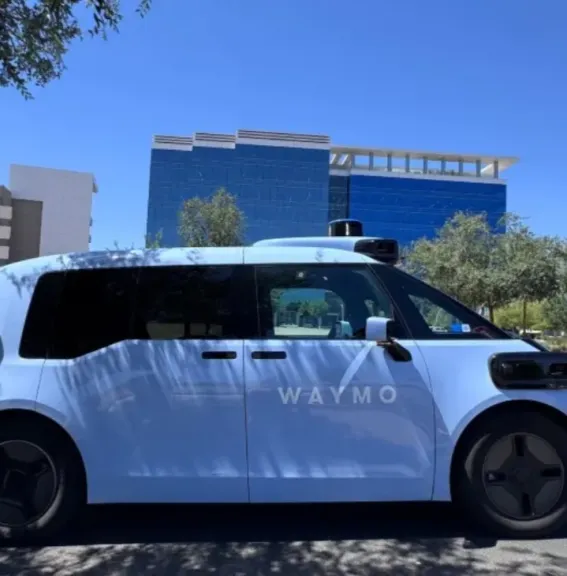
US-based autonomous driving pioneer Waymo has initiated a strategic expansion of its commercial operations with the launch of its latest self-driving vehicle. The move is specifically engineered to reduce operational overhead and accelerate the transition toward actual profitability within the highly competitive robotaxi market.
Partnership and Vehicle Architecture The newly introduced vehicle, designed as an all-electric minivan, was developed using a dedicated platform from Chinese automaker Zeekr. This vehicle stems from a corporate partnership initiated in 2021 with the parent company, Geely Holdings, before being fully customized into a dedicated autonomous ride-hailing vehicle for the United States market. The rollout aligns with a broader mandate led by parent conglomerate Alphabet Inc. to aggressively fund autonomous transit and transform it from experimental operations into a highly scalable, commercial business model.
Dubbed the "Zeekr Ojai," the vehicle is designed to be significantly cheaper to produce and operate compared to Waymo’s current fleet, with an operational focus on durability, ease of maintenance, and high-frequency passenger wear. The minivan integrates Waymo's 6th-generation autonomous driving system, which utilizes an advanced sensor suite featuring multiple cameras, radars, and LiDAR units, alongside external audio arrays to ensure precise environmental perception and interaction.
Fleet Integration and Operational Roadblocks Waymo aims to use the Zeekr Ojai to scale up its current fleet, which comprises thousands of autonomous vehicles—most notably the all-electric Jaguar I-PACE models currently in service. The long-term production target is set to reach tens of thousands of units annually. Waymo has already opened limited, complimentary passenger trials in major US metro areas, including Los Angeles, Phoenix, and San Francisco, to harvest user data and optimize software architectures ahead of full-scale commercial deployment.
This commercial milestone surfaces as Waymo navigates immediate operational challenges. The company recently suspended some highway testing routes across several cities due to software complications handling active construction zones, alongside temporary operational halts in select regions triggered by extreme weather and localized flooding. These incidents forced Waymo to re-evaluate safety edge cases and refine vehicle behavior during complex scenarios. Nevertheless, the Zeekr Ojai remains a critical cornerstone in Waymo's roadmap to lower the cost-per-mile metric, entering a new competitive era where the autonomous ride-hailing race is dictated by cost reduction, manufacturing scale, and cabin comfort rather than technical experimentation alone.