
After Telecom Service Price Hikes.. Here Are the Mobile Apps Consuming the Most Internet Data
Following recent increases in telecom service prices and internet package costs, many smartphone users are increasingly searching for ways to reduce mobile data consumption and better manage their monthly internet usage.
Technology experts say several popular mobile applications consume massive amounts of data in the background, often without users realizing the scale of their internet usage, particularly with the growing reliance on video content, cloud services, and online gaming.
Streaming platforms remain among the biggest data consumers globally. Applications such as YouTube, Netflix, TikTok, Instagram Reels, and Facebook videos can quickly drain internet packages, especially when operating on high-resolution settings like HD or 4K video streaming.
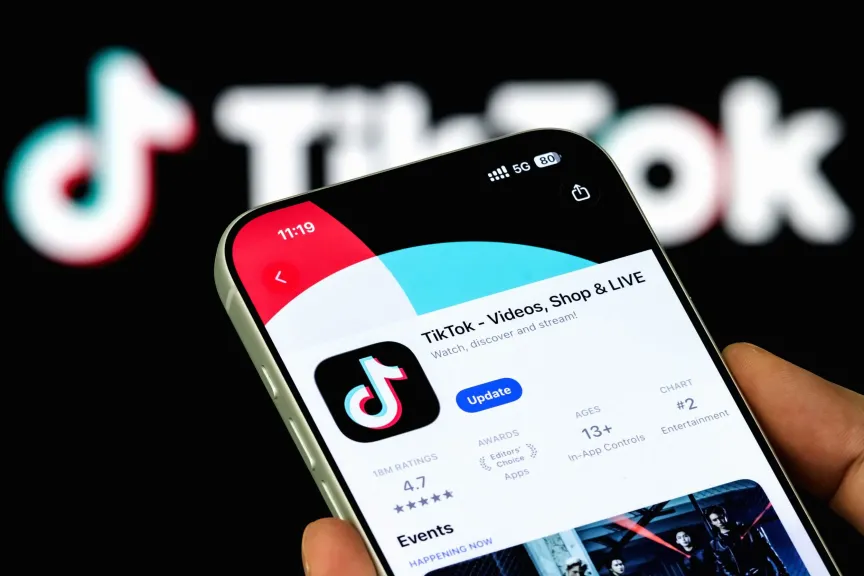
Short-video platforms, particularly TikTok and Instagram, are considered among the most data-intensive apps because of autoplay features and continuous content streaming, which keep downloading videos in the background even during casual browsing sessions.
Online gaming has also emerged as a major source of internet consumption. Popular multiplayer titles such as PUBG Mobile, Call of Duty Mobile, Free Fire, Fortnite, and eFootball consume significant data during gameplay, updates, voice chat sessions, and live events.
Experts note that while gameplay itself may not always consume extremely high bandwidth, regular updates and downloadable game content can use several gigabytes in a short period, especially for competitive online games.
Cloud backup services also contribute heavily to hidden data usage. Apps such as Google Photos, iCloud, OneDrive, and Dropbox often upload photos and videos automatically in the background unless users disable mobile data syncing.
Messaging applications including WhatsApp, Telegram, and Messenger can additionally consume large amounts of data due to automatic media downloads, video calls, voice notes, and status features.
Music streaming apps such as Spotify, Anghami, Apple Music, and YouTube Music also increase consumption when users stream high-quality audio instead of downloading playlists over Wi-Fi.
Cybersecurity and technology specialists recommend several steps to reduce internet usage, including disabling autoplay videos, lowering streaming quality, limiting background app refresh, restricting automatic updates to Wi-Fi only, and monitoring data usage through smartphone settings.
Experts also advise users to regularly review which apps consume the most data monthly, especially as rising telecom costs continue pushing consumers to optimize mobile internet consumption more carefully.