
Rising Gulf Security Risks Send Global Marine Insurance Premiums Soaring
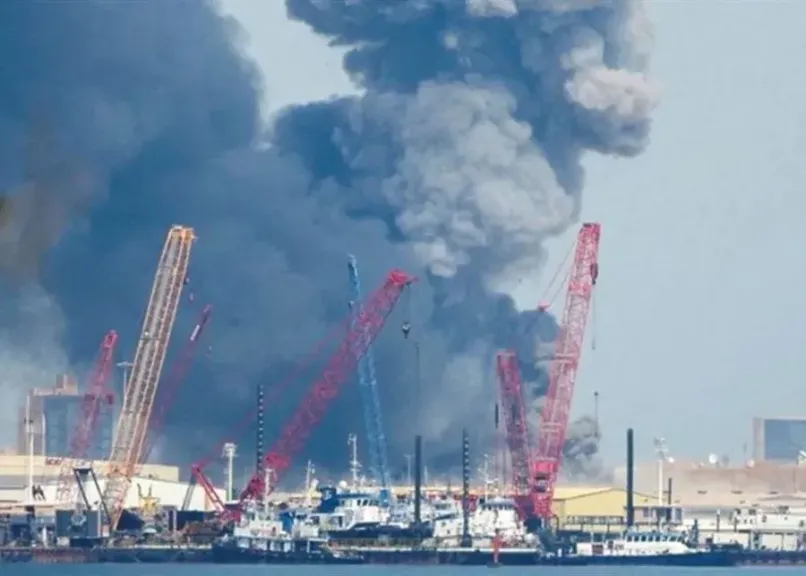
Global marine insurance markets are facing mounting pressure as security risks escalate in the Arabian Gulf and the strategic Strait of Hormuz, prompting insurers to reassess risk exposure and significantly increase war-risk premiums for vessels operating in the region.
Industry experts say concerns are no longer limited to potential missile strikes or direct military damage to ships. Insurers are increasingly factoring in the growing risks of vessel seizure, detention, and piracy amid heightened military tensions and tighter Iranian control over the Strait of Hormuz - one of the world’s most critical maritime chokepoints.
A senior insurance source said the evolving security landscape has forced marine insurers to review their underwriting models and adopt precautionary measures to safeguard their portfolios.
“The risks have expanded beyond conventional war damage,” the source noted. “There is now a real concern about ship seizures and forced detentions, which have returned as key factors in insurance pricing calculations.”
These developments have intensified anxiety across the global marine insurance sector, with insurers rapidly raising war-risk premiums and reassessing coverage for vessels transiting sensitive maritime corridors in the Gulf.
A recent analytical report published by Reuters on March 6, 2026, revealed that war-risk insurance premiums for vessels navigating the region have surged dramatically as tensions widened across the Gulf.
According to the report, some insurance premiums have jumped by more than 1,000 percent due to the increased likelihood of ships being attacked or damaged while passing through the Strait of Hormuz.
The military escalation reportedly intensified following U.S.-Israeli air strikes targeting Tehran, triggering disruptions in maritime traffic after Iran warned it could target vessels attempting to cross the strategic waterway. At least nine ships have reportedly sustained damage since the crisis began, further prompting insurers to rapidly reprice risk exposure.
Data cited in the report shows that hull insurance premiums against war risks have risen from roughly 0.25 percent of a vessel’s value before the crisis to as much as 3 percent currently.
Given that large crude carriers typically range in value between $200 million and $300 million, the cost of war-risk coverage for a single voyage could now reach approximately $7.5 million - compared with about $625,000 prior to the escalation.
International insurance brokers also indicated that pricing is becoming increasingly volatile, with premiums changing almost daily depending on a vessel’s location, cargo type, and route. In many cases, coverage is now being priced on a per-voyage basis due to the heightened risk environment.
The marine insurance market remains particularly sensitive to developments in the Strait of Hormuz because of its strategic importance to global energy supplies. More than 20 million barrels of oil and fuel pass through the narrow waterway each day - representing nearly one-fifth of global oil consumption.
Analysts warn that continued instability in the Gulf could push insurers toward stricter underwriting standards and further premium hikes as fears grow over potential attacks or ship seizures in one of the world’s most critical maritime trade routes.