
CIB CEO Hisham Ezz Al-Arab Highlights Egyptian Banking Resilience and Calls for Structural Fiscal Reforms
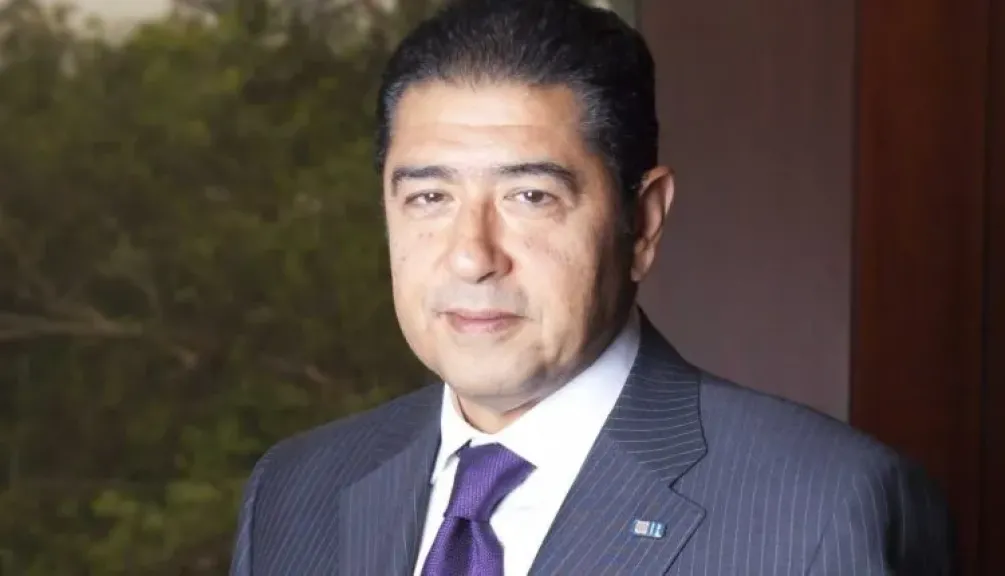
Hisham Ezz Al-Arab, CEO of Commercial International Bank – Egypt (CIB), emphasized the resilience of the Egyptian and regional banking sector amid recurring crises, stating that sustainable fiscal reform must focus on maximizing government revenues and addressing structural imbalances rather than adopting superficial solutions.
Speaking to CNBC Arabia on the sidelines of the World Economic Forum 2026 in Davos, Ezz Al-Arab discussed the banking sector’s performance, the impact of geopolitical and financial shocks, public debt management, and Egypt’s economic outlook for 2026.
He noted that Egyptian banks have navigated a series of successive crises since 2011, which has strengthened their risk management, liquidity, and reserve frameworks. “Banks in Egypt operate under highly conservative scenarios, anticipating worst-case outcomes,” he said, adding that these experiences have enhanced institutional preparedness and crisis-handling capabilities.
Ezz Al-Arab stressed that traditional financial metrics, such as profits, do not fully reflect a bank’s resilience. Instead, true strength lies in a bank’s forward-looking perspective, rapid decision-making, and ability to finance the real economy sustainably. He highlighted the dual role of banks: generating profits to support capital and growth while acting as partners in national development.
On the topic of the controversial “mega swap deal” to address public debt, Ezz Al-Arab clarified that his concern lies in the presentation of incomplete proposals, which could send negative signals to markets. He noted that comparisons with the U.S. during the 2008 financial crisis are not directly applicable, given Egypt’s reliance on a local currency rather than a global reserve currency.
Ezz Al-Arab also pointed to the importance of focusing on government revenue generation as a proportion of GDP, which remains low relative to other emerging markets. He advocated for a unified government account to consolidate all state revenues under the Ministry of Finance and called for deeper tax reforms, including broadening the tax base and integrating currently untaxed economic activities to increase fairness and state resources.