
Trump’s New Tariffs on Countries Trading with Iran Could Reshape Regional Trade
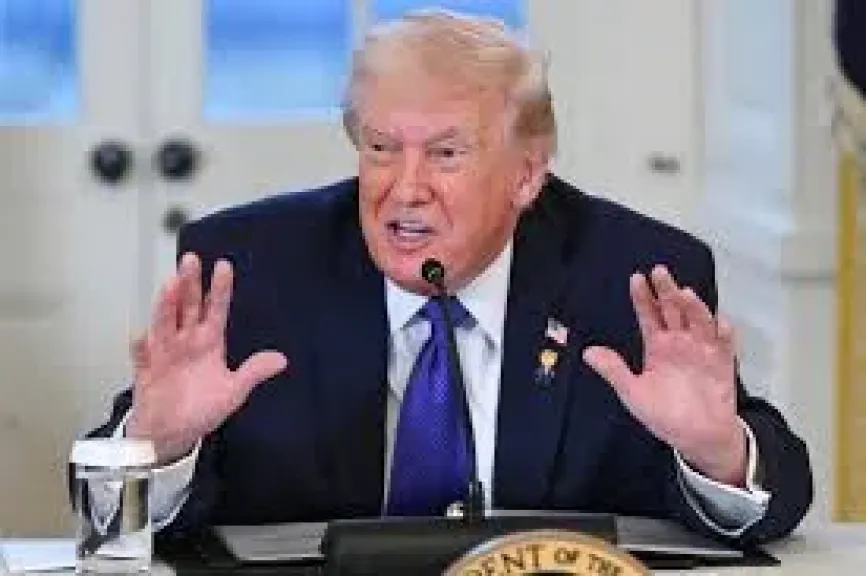
US President Donald Trump has announced new tariffs on countries that conduct trade with Iran, warning of potential economic consequences for major Iranian partners, including China, the UAE, Iraq, and Oman, potentially reshaping regional supply chains and trade flows.
Trump posted on social media on Monday that the new tariffs would be “effective immediately”, without providing details on their scope or implementation. In the absence of such clarification, the economic impact on Iran’s trade partners remains hypothetical, pending further guidance from the US administration and the legal framework governing the measures.
Theoretically, Trump’s statement places these countries under US scrutiny and could threaten billions of dollars in trade if “commercial dealings” are interpreted broadly.
UAE: Iran’s Largest Arab Trading Partner
The United Arab Emirates is Iran’s largest Arab trade partner and the second-largest globally after China, with a total trade volume of $28.2 billion in 2024. According to data from Trade Data Monitor via the WTO, the UAE accounts for 22.6% of Iran’s foreign trade, making it particularly vulnerable if US threats are turned into enforceable measures.
However, much of this trade involves re-exports, meaning the actual impact depends heavily on how Washington defines the activities covered by the tariffs.
Iraq: Intertwined Energy and Trade Relations
Iraq, a historical and geographically close partner to Iran, ranks fourth globally in trade volume, with $12.3 billion in trade, representing 9.9% of Iran’s total external trade. In recent years, Iraq has relied on Iran for around 40% of its gas and electricity needs, while lacking domestic infrastructure to process associated gas for local use.
Iraq is already subject to US tariffs of 35%, under Trump’s reciprocal tariff measures announced in August of last year. However, according to Muthar Mohammed Saleh, economic advisor to the Iraqi Prime Minister, Baghdad will not be directly affected by the new tariffs due to limited exports to the US, except for approximately 250,000 barrels of crude oil per day, which are generally exempt under global energy security and oil pricing mechanisms.
Currently, gas supplies from Iran are halted due to Tehran’s own domestic needs amid falling temperatures, as well as unpaid financial claims, according to Ahmad Mousa, spokesperson for Iraq’s Ministry of Electricity.
The unfolding situation highlights the delicate balance of trade and energy dependencies in the region, as countries closely linked to Iran brace for potential US economic measures.