
Trump Proposes 10% Cap on Credit Card Interest Rates to Ease Financial Burden
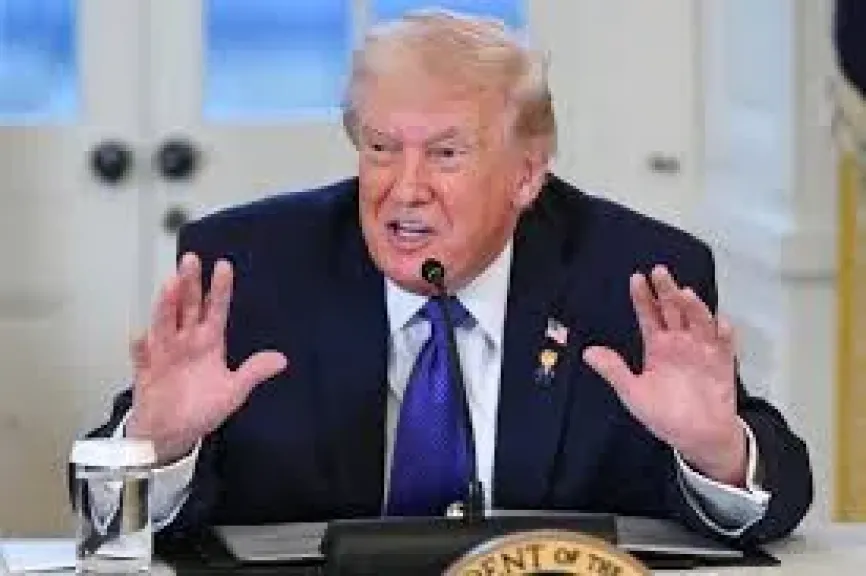
Former U.S. President Donald Trump has launched a new initiative aimed at reducing financial pressure on American consumers, focusing on credit card interest rates by calling for a 10% maximum rate for one year starting January 20.
In a post on Truth Social, Trump emphasized his call for the cap, stating: “We will no longer allow credit card companies to exploit the American people.” However, details on the mechanisms for implementing the proposal remain unclear, as such a cap would require either legislative or regulatory action.
The move comes amid a recent rise in credit card interest rates in the U.S., influenced by the Federal Reserve’s inflation control measures. Higher rates have directly affected consumers, particularly low- and middle-income individuals who rely on credit cards for daily expenses, contributing to rising consumer debt levels.
If implemented, a cap on interest rates could alleviate financial burdens, enabling millions of Americans to repay debt faster and redirect income to areas such as education or healthcare, while also protecting consumers from potentially exploitative practices.
On the other hand, credit card companies could see reduced profits, leading to fewer card issuances or stricter approval criteria, raising concerns about credit risk and the overall feasibility of the initiative.
Legislative or regulatory steps would be needed to implement the cap, potentially involving the U.S. Congress or regulatory agencies like the Consumer Financial Protection Bureau (CFPB). Alternative measures could include regulating late fees, over-limit fees, improving transparency, and promoting financial literacy programs.
Regardless of the proposal’s outcome, discussions around credit card interest rate regulation are likely to continue, reflecting a broader debate over consumer protection, debt management, and U.S. economic policy.