
Luxury Cars Shine While EV Makers Struggle: Winners and Losers in the Global Auto Market in 2025
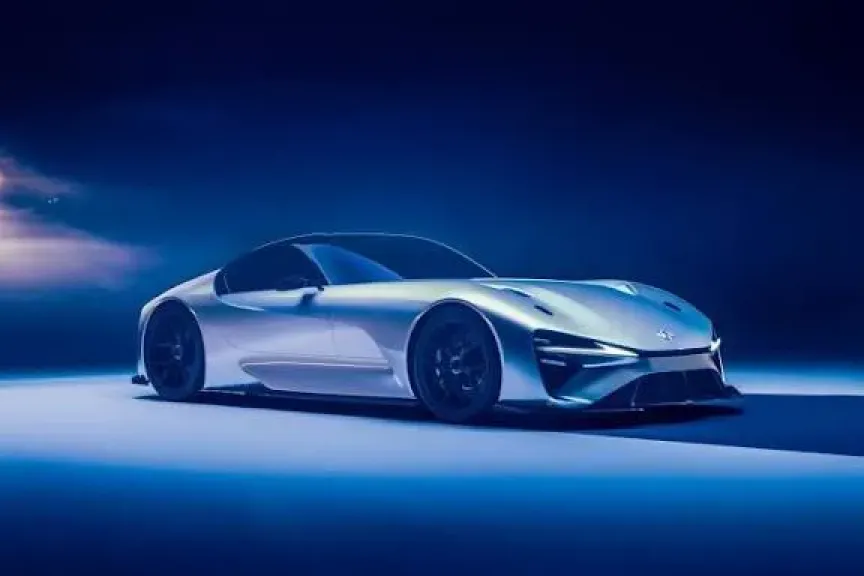
The global automotive industry witnessed sharp contrasts in performance during 2025, as luxury and supercar brands enjoyed record demand and profits, while several electric vehicle (EV) manufacturers faced slowing sales, financial pressure, and intensifying competition, according to a year-end review by Bloomberg.
Luxury cars emerged as the clear winners of the year, driven by strong demand from high-net-worth consumers and record pricing levels. In the United States, the average price of a new luxury vehicle climbed above $50,000 for the first time, reflecting buyers’ growing appetite for exclusivity, customization, and high-performance models. Manual transmissions powered by internal combustion engines saw a notable revival among affluent customers, particularly in the supercar segment.
Brands such as Bugatti, Pagani, Koenigsegg, Lamborghini, and Ferrari reported full order books extending beyond a year, despite global headwinds including tariffs, geopolitical uncertainty, and slower-than-expected EV adoption. Ferrari stood out as the strongest performer of 2025, maintaining exceptional profit margins and orders secured through 2027. The Italian automaker also benefited from limiting its exposure to the Chinese market and slowing its transition to full electrification, announcing that electric models will account for just 20% of its sales by 2030.
In contrast, several high-profile EV manufacturers struggled throughout the year. Tesla recorded steep declines in global sales and profits, losing market share in key regions while facing legal challenges and reputational pressure surrounding its leadership. Lucid Group also suffered from supply-chain weaknesses and continued cash burn.
Porsche experienced one of the most dramatic downturns of 2025. The brand faced deep financial challenges, weaker-than-expected EV demand, and disappointing sales in China, leading to multiple profit warnings, its removal from Germany’s DAX index, and its first quarterly loss as a publicly listed company. Longtime customers also criticized rising prices and a shift toward digital interiors at the expense of the brand’s traditional driving experience.
Despite global EV sales continuing to rise overall, growth fell short of earlier expectations in several markets. Automakers including Audi, Ford, General Motors, and Volvo faced mounting pressure from competitively priced Chinese EVs, the rollback of government incentives, and growing political polarization around electric mobility.
Looking ahead to 2026, Bloomberg highlights Audi and Cadillac as brands to watch. Both are set to enter Formula One, a move expected to boost brand visibility, technology development, and global appeal. Audi has also generated early excitement with the unveiling of its Concept C in Milan, signaling a new design direction for future models.
As the industry heads into 2026, the outlook suggests that demand for high-end luxury and performance vehicles will remain resilient, even as the broader auto market continues to navigate the complex transition toward electrification amid shifting consumer preferences and global competition.