
Apple Rolls Out Blood Pressure Elevation Notifications in Saudi Arabia and the UAE
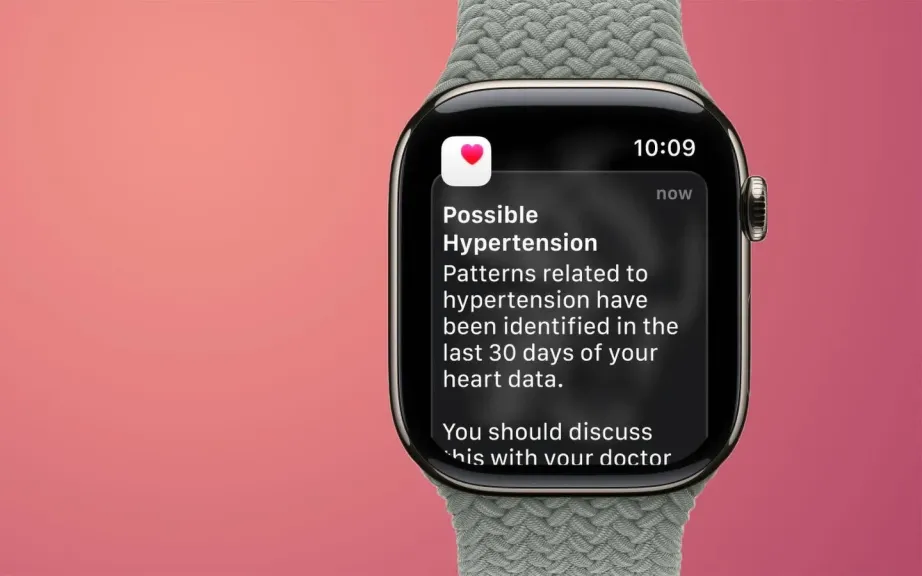
Apple has begun activating its new Blood Pressure Elevation Notifications feature on Apple Watch devices in Saudi Arabia and the United Arab Emirates, marking a significant step toward early detection of one of the leading global causes of heart attacks and strokes.
The company emphasized that elevated blood pressure remains the most critical modifiable risk factor linked to heart attacks, strokes, and kidney disease, affecting an estimated 1.3 billion adults worldwide. Apple noted that hypertension often goes undiagnosed due to the absence of clear symptoms and the lack of regular health checkups, with many individuals even skipping basic blood pressure measurements during routine medical visits.
The new feature relies on an advanced algorithm that analyzes heart-rate data without requiring new sensors, allowing it to function on older Apple Watch models. To enable it, the Health app on iPhone must collect 30 days of data. Apple stated that the feature is designed for users aged 22 and older, excluding pregnant individuals and those previously diagnosed with hypertension.
When signs of elevated blood pressure appear, the watch recommends beginning a structured log of external blood pressure measurements over seven days, with daily reminders. The monitoring period can be extended for up to four weeks if necessary.
Apple reiterated that the Blood Pressure Elevation Notifications feature is not intended for diagnosis, treatment, or direct management of hypertension. Some users with elevated blood pressure may not receive alerts. Instead, the feature serves as a large-scale health screening tool, helping users track early signals and prompting timely medical follow-up.
First introduced with watchOS 26, the feature is available on Apple Watch Series 9 and later, as well as Apple Watch Ultra 2 and subsequent models.
Hearing-Related Features Launch in Bahrain
In parallel, Apple announced the rollout of its Hearing Test and “Hearing Aid” features in Bahrain for users of the AirPods Pro (2nd and 3rd generation). These tools are designed to support individuals with mild to moderate hearing loss by enabling on-device auditory assessments and assistive listening capabilities.
Apple introduced these features last year, allowing AirPods Pro 2 and AirPods Pro 3 to function as alternatives to traditional hearing-assistance devices for users with mild to moderate hearing impairment. The hearing test uses tones across varying frequencies to detect potential hearing loss. If an issue is identified, users can activate the “Hearing Aid” mode, along with benefiting from features such as loud sound reduction to protect long-term hearing health.