


Egypt Unveils Major Archaeological Discoveries at Tel Abu Seifi, Redrawing the Ancient ”Horus Military Road”
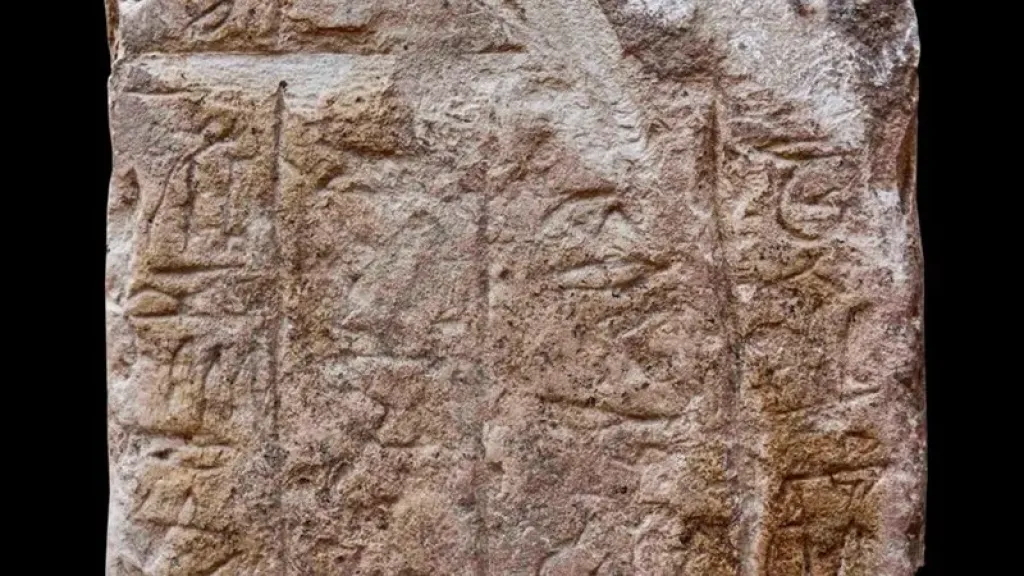
The Egyptian Ministry of Tourism and Antiquities has announced a significant archaeological discovery at the Tel Abu Seifi site in Qantara East, Ismailia Governorate. An Egyptian archaeological mission operating at the site successfully unearthed new evidence that helps redraw the map of the ancient Horus Military Road and sheds light on the architectural and military evolution of Egypt’s eastern gateway across various historical epochs.
Sherif Fathy, Minister of Tourism and Antiquities, emphasized that the recent findings represent a crucial addition to the state's efforts in uncovering the rich history of North Sinai.
"What has been discovered at this site highlights the strategic and civilizational role the region played in protecting Egypt's eastern borders throughout history. The continued excavations along the Horus Road contribute to reconstructing the historical image of this vital route and its military stations," Fathy stated.
Correcting Historical Layouts: The Massive Precinct Wall
Dr. Hisham El-Leithy, Secretary-General of the Supreme Council of Antiquities, revealed that the current season's excavations provided a more accurate reading of previously discovered architectural elements.
The mission completely uncovered a massive mud-brick wall, complete with gates, interior chambers, and varying stratigraphy. Detailed studies confirmed that this structure served as the outer enclosure wall of the temple's sacred precinct—not the temple itself—correcting previous archaeological interpretations of the site.
Chronological Discoveries and Artifacts
The excavations yielded artifacts and structural remains confirming the site's dynamic military, religious, and administrative roles across multiple eras. The following table highlights the key discoveries mapped to their respective historical periods:
Historical EraKey Discoveries & Architectural Findings
New Kingdom (Ramses II)A massive, two-piece sandstone upper lintel inscribed on three sides with the titles of King Ramses II and a text detailing the restoration of a statue of "Horus, Lord of Mesen."
Late Period (26th Dynasty)A schist statue of an army scribe holding a broken shrine, affirming the site's administrative and military nature. Statues of falcons and a basalt royal torso were also found.
Ptolemaic EraA wide stone-paved road leading into the temple. This era marked the peak of the temple’s architectural prosperity.
Roman Era (3rd Century AD)A narrower Roman stone road built over the Ptolemaic one. Parts of the site were repurposed to construct military barracks (Castrum).
Late Roman EraThe site was transformed into a lime production quarry. Two massive circular kilns containing burned limestone were built directly over the corners of the former Holy of Holies.
The Ancient City of "Mesen"
Dr. Hisham Hussein, Head of the Central Administration for Lower Egypt and Sinai, noted that the discovery of the Ramses II lintel referencing "Horus, Lord of Mesen" provides highly compelling evidence linking Tel Abu Seifi to the ancient Egyptian city of Mesen, frequently mentioned in New Kingdom texts.
Mahmoud Galal, Director General of Sinai Antiquities and the Mission Director, added that the discovery of military-related artifacts firmly establishes the site's strategic nature. The mission plans to continue its excavations in upcoming seasons to uncover the remaining architectural elements and definitively confirm the site's historical identity.